Understanding Ohio’s Yellow Plate Requirement After an Impaired Driving Case
Key Takeaways: Ohio’s restricted "party plates" under ORC § 4503.231 are conditional, not automatic. Three groups must display them: drivers granted limited privileges where the court imposes plate display as a condition, vehicle owners whose plates have been impounded and who apply for restricted plates, and family members driving an offender’s vehicle under an immobilization waiver order. Plate conditions become mandatory under ORC § 4510.13 when a suspension falls within specific divisions of ORC § 4511.19(G), including elevated "high test" concentration cases, which is why even a first offense can carry plates. A narrow exception under ORC § 4503.231(B) allows driving an employer-owned vehicle within the scope of employment without restricted plates, provided the employer has been notified of the limited driving privileges and the person carries proof of that notification.
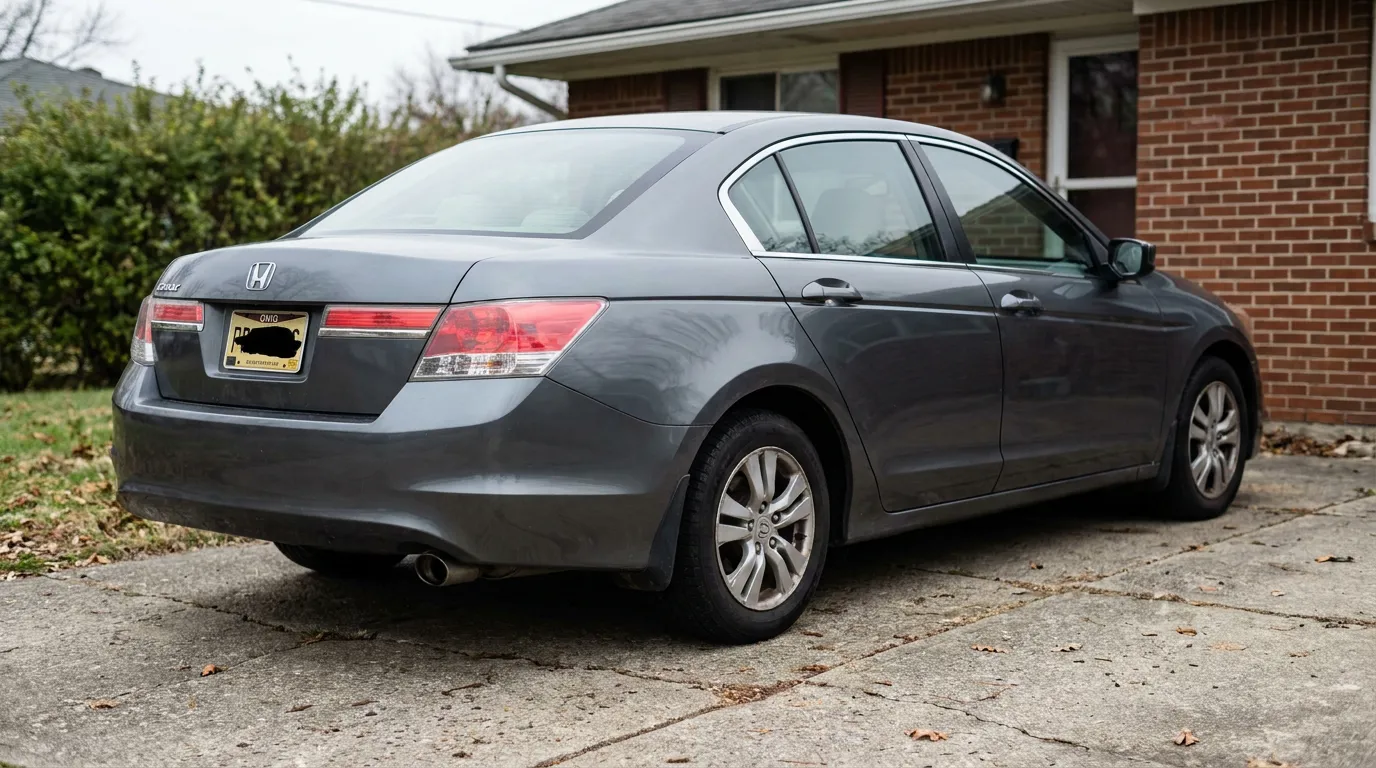
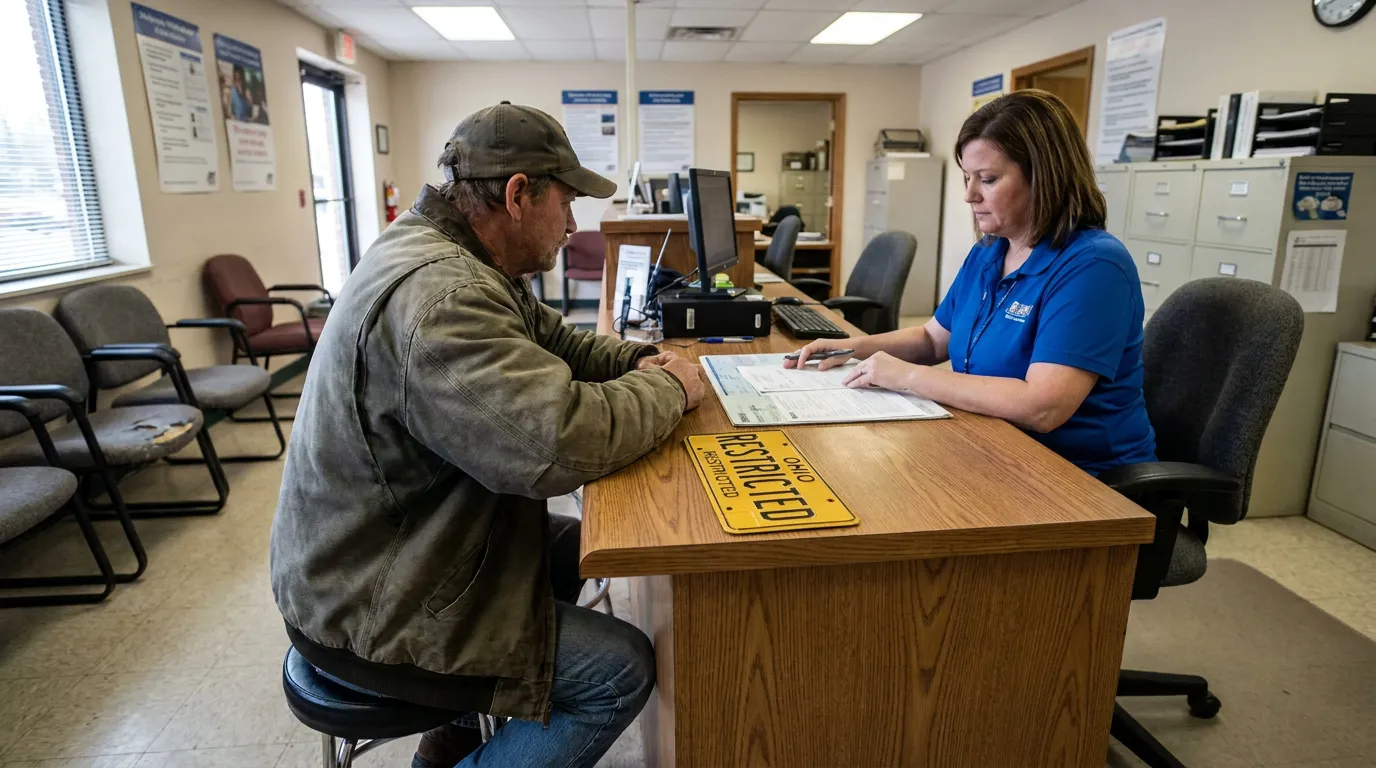
Restricted plates, commonly called "party plates," are designated in distinctive yellow and are required when a court grants limited driving privileges under specific OVI subsections, or when a family member drives a vehicle covered by an immobilization waiver order. Under Ohio Revised Code § 4503.231(A), no motor vehicle registered in the name of a person whose registration and plates have been impounded, and no vehicle operated under an immobilization waiver order, may be driven on an Ohio highway unless it displays restricted plates that are a different color from regularly issued plates and carry a special serial number readily identifiable by law enforcement.
If you are facing a Hamilton County OVI charge and want to understand whether a plate order may apply, the defense team at Yonas & Phillabaum is available to review the facts. Call 513-427-6100 or contact us now to discuss your options.
What the Law Actually Says About Ohio Party Plates 4503.231
The governing authority is statutory text, not courthouse rumor. Under Ohio’s restricted license plate statute, the registrar of motor vehicles designates the color and serial number used on restricted plates, and that designation remains the same from year to year. The plates are currently instantly recognizable to officers throughout Cincinnati.
The statute prohibits tampering. ORC § 4503.231(A) provides that no person operating a motor vehicle displaying restricted plates shall knowingly disguise or obscure the color of the restricted plate. Covering, tinting, or smudging the plate is a separate violation that can compound an already difficult situation.
Ohio law connects the plates to plate impoundment. A vehicle owner whose plates have been impounded may apply to the registrar for restricted plates conforming to § 4503.231, and the application is forwarded for court approval before plates are issued.
Who Must Display Party Plates Under a Plate Order
Three groups most commonly end up with yellow plates in Ohio:
- Drivers granted limited driving privileges where the court imposes plate display as a condition of those privileges
- Vehicle owners whose registration and identification plates have been impounded and who apply for restricted plates
- Family or household members permitted to drive an offender’s vehicle under an immobilization waiver order
The third category explains the "family plates" nickname. ORC § 4503.231(A) provides that no vehicle that may be operated pursuant to an immobilization waiver order issued pursuant to § 4503.235 shall be operated on any Ohio highway unless it displays restricted license plates that are a different color from those regularly issued and carry a special serial number readily identifiable by law enforcement. ORC § 4503.235(C) separately provides that an immobilization waiver order shall identify the family or household member who requested the order, the vehicle to which the order applies, the permitted family or household members, and the offender who is not permitted to operate the vehicle. That means a spouse, parent, or adult child who never faced a charge may still drive a yellow-plated vehicle, though the waiver is discretionary and must be granted by the court on a showing of hardship.
When the Requirement Becomes Mandatory Rather Than Discretionary
Mandatory plate conditions attach to particular suspension subsections. ORC § 4510.13 ties the requirement to suspensions imposed under ORC § 4511.19(G)(1)(c), (d), or (e), and to suspensions under § 4511.19(G)(1)(a) or (b) where the underlying violation falls under division (A)(1)(f), (g), (h), or (i) of § 4511.19. Those lettered divisions are the elevated-concentration provisions, commonly described as the "high test" categories, which begin at 0.17 grams of alcohol per 210 liters of breath and at corresponding elevated levels for blood, serum or plasma, and urine.
This is why a first offense can still carry plates. A driver with no prior record who tests at or above the high-test threshold may face a plate condition, while another first-time driver testing below that level and charged under a different division may not. The charging division, test result, and prior history within the look-back period all matter.
How Suspension Length Interacts With Plate and Immobilization Terms
The suspension schedule in ORC § 4511.19(G) escalates with repeat offenses. A first offense within ten years generally carries a Class 5 license suspension of one year to three years under ORC § 4511.19(G)(1)(a). A second offense within ten years generally carries a license suspension of one to seven years, and restricted plates, ignition interlock, and vehicle immobilization for ninety days typically enter the picture at that stage.
| Offense Level (within 10 years) | General Suspension Range | Commonly Associated Conditions |
|---|---|---|
| First offense | 1 year to 3 years | Plates possible with high-test or elevated divisions |
| Second offense | 1 to 7 years | Restricted plates, interlock, 90-day immobilization |
| Subsequent offenses | Longer terms apply | Enhanced conditions under § 4511.19(G) |
This table is general orientation only. Actual terms depend on charging decisions, prior record, felony enhancements, and the sentencing court.
How a Cincinnati OVI Arrest Leads to a Plate Order
The chain begins at the roadside. Ohio’s implied consent and arrest procedure statute requires the arresting officer to send the registrar a sworn report within forty-eight hours stating reasonable grounds to believe the person was operating a vehicle in violation of ORC § 4511.19(A) or (B) or a municipal OVI ordinance. That administrative report sets the suspension machinery in motion.
The advice form warns of immediate consequences. ORC § 4511.192 advises that if a chemical test shows a prohibited concentration, Ohio driving privileges will be suspended and a fee must be paid for reinstatement. That administrative license suspension is separate from any criminal sentence and may be appealed on limited statutory grounds.
Refusal creates a different path. Declining a breath test carries its own administrative consequences, including a longer suspension, and a refusal combined with a prior OVI conviction within twenty years can support a separate charge under ORC § 4511.19(A)(2). Drivers weighing that decision often benefit from reading about what happens when a Cincinnati driver refuses a breathalyzer.
💡 Pro Tip: Administrative license suspension appeals generally must be raised within thirty days of the initial appearance. Raising the issue at your first court appearance preserves more options than waiting.
What Counts as an OVI in the First Place
Ohio uses "OVI" rather than "DUI," and the definition is broader than many expect. Under ORC § 4511.19(A), the offense involves operation of a vehicle while under the influence of alcohol, a drug of abuse, or a combination, or while having a prohibited concentration in breath, blood, serum or plasma, or urine. "Operate" is defined in ORC § 4511.01 as to cause or have caused movement of a vehicle, and the statute reaches conduct on any public road or highway, and also on any public or private property used by the public for vehicular travel, including parking lots.
Driving for Work While Displaying Restricted Plates
Employment concerns are common. ORC § 4503.231(B) provides that a person granted limited driving privileges conditioned on displaying restricted plates may operate a motor vehicle owned by the person’s employer only if required to operate that vehicle in the course and scope of employment, the employer has been notified that the person has limited driving privileges and of the nature of the restriction, and the person has proof of the employer’s notification in their possession while operating the employer’s vehicle. Under those conditions, such a person may operate the employer’s vehicle without displaying the restricted plates.
This exception is narrow. It applies to employer-owned vehicles driven within the scope of employment where the employer has been properly notified and the driver carries proof of that notification. It does not apply to personal vehicles used for commuting or errands, and it does not expand the hours or purposes authorized by the privileges order.
💡 Pro Tip: Keep a copy of your limited driving privileges entry and your employer notification documentation in the vehicle. Being able to show the scope of your privileges during a traffic stop may reduce confusion.
Practical Challenges Drivers Face With Ohio BMV Plates
The consequences extend beyond the courthouse. Restricted plates are visible to employers, neighbors, insurers, and anyone else who sees the vehicle. Confirm which vehicles are covered by the order, verify whether any household member will need to obtain plates, and make sure the registrar’s application and court approval steps are completed in the correct sequence.
Defense strategy often focuses upstream. Because plate conditions attach to specific suspension divisions, challenging the underlying charge, the chemical test procedures, or the basis for the stop may affect whether a plate order ever applies. A cincinnati dui lawyer can evaluate whether the charging division, calibration records, or observation period create viable issues.
Frequently Asked Questions
1. Are yellow restricted plates required for every OVI conviction in Ohio?
No. The requirement is tied to suspensions under specific divisions of ORC § 4511.19(G) and to immobilization waiver orders, so many drivers, particularly certain first-time offenders charged under non-elevated divisions, may not face a plate condition.
2. Can a family member drive my vehicle without the yellow plates?
Generally no, if the court has granted an immobilization waiver order. ORC § 4503.231(A) requires that no vehicle operated pursuant to an immobilization waiver order under § 4503.235 be driven on any Ohio highway unless it displays restricted license plates.
3. What happens if the plate is covered or obscured?
ORC § 4503.231(A) provides that a person operating a vehicle with restricted plates shall not knowingly disguise or obscure the plate’s color. Doing so can create additional legal exposure, including possible revocation of limited privileges.
4. Do restricted plates change from year to year?
No. The registrar designates the color and serial number, and § 4503.231(A) provides that the designation remains the same from year to year.
5. Can I get limited driving privileges without accepting plates?
It depends on which suspension division applies. Where the mandatory triggers under ORC § 4510.13 are present, plate display is generally imposed as a condition of privileges, subject to the narrow employer-vehicle exception.
Moving Forward With Clear Information
Restricted plates under ORC § 4503.231 are conditional, not automatic. They arise when a suspension falls within particular divisions of ORC § 4511.19(G), when plates have been impounded, or when a household member drives under an immobilization waiver order. Because the triggers are statute-specific, the charging division, chemical test result, and prior history all influence the outcome.
If a plate order may be on the table in your case, the attorneys at Yonas & Phillabaum are prepared to review the record and explain what to expect. Call 513-427-6100 or schedule a consultation to get started.
This is not legal advice; this is a legal advertisement.