Understanding Ohio’s Breathalyzer Refusal Rules for Cincinnati Drivers
Key Takeaways: Refusing a breathalyzer in Ohio triggers an immediate Administrative License Suspension (ALS) under the state’s implied consent law, separate from the criminal OVI charge. The suspension begins at the scene and runs independently of your criminal case, which can proceed based on officer observations alone. You may appeal an ALS, but must do so at your initial court appearance or within thirty days, filing does not pause the suspension. An upheld suspension continues until the OVI charge is resolved, and reinstatement requires meeting specific BMV conditions. Penalties escalate with prior offenses, making each case highly fact-specific. Because administrative and criminal deadlines overlap, acting quickly is essential to protecting your license and defense.
Refusing a breathalyzer in Ohio does not make an OVI charge disappear, but it triggers an immediate license suspension that disrupts your life before you see a courtroom. Under Ohio’s implied consent framework, drivers who decline chemical testing after arrest face an administrative penalty on top of the criminal case. If you are a Cincinnati driver wondering what happens if you refuse a breathalyzer in Ohio, the short answer is that you may lose your driving privileges quickly and face a case that can proceed without a test result.
If you are facing a breathalyzer refusal in Cincinnati, the team at Yonas & Phillabaum is ready to help. Call our office at 513-427-6100 to discuss your situation, or reach out through our online contact form to request a consultation. Acting quickly can protect both your license and your defense.
The Implied Consent Doctrine Behind Refusal Penalties
💡 Pro Tip: Write down everything you remember about the traffic stop as soon as possible, including the time, the officer’s statements, and whether you were clearly placed under arrest before any test was requested.
Ohio’s refusal penalties rest on the legal principle of implied consent. By operating a vehicle on public roads, a driver is treated as having already agreed to chemical testing under certain conditions. The principal purpose of the implied consent law is to encourage people arrested for DWI to submit to a chemical test to provide scientific evidence of alcohol influence.
The law attaches a distinct penalty to an unreasonable refusal. Beyond the criminal case, the law provides that the individual’s driver’s license may be suspended or revoked if the refusal is found to be unreasonable. This means the choice to refuse is rarely consequence-free, even when a driver believes refusal is the safer option.
Implied consent generally applies only after a lawful arrest. A request for chemical testing typically follows an arrest for suspected impaired driving, not a routine stop. An officer must establish probable cause and make a valid arrest before the chemical test can be administered. That procedural sequence can become an important point in challenging how a refusal was handled.
Administrative License Suspension: The Immediate Consequence
The most immediate result of a refusal is an Administrative License Suspension, commonly called an ALS. This is the mechanism by which an Ohio driver loses their license after refusing or failing a chemical test during an OVI arrest. According to the Ohio State Bar Association, an administrative license suspension in Ohio can be imposed before any court involvement on individuals charged with Operating a Vehicle Impaired.
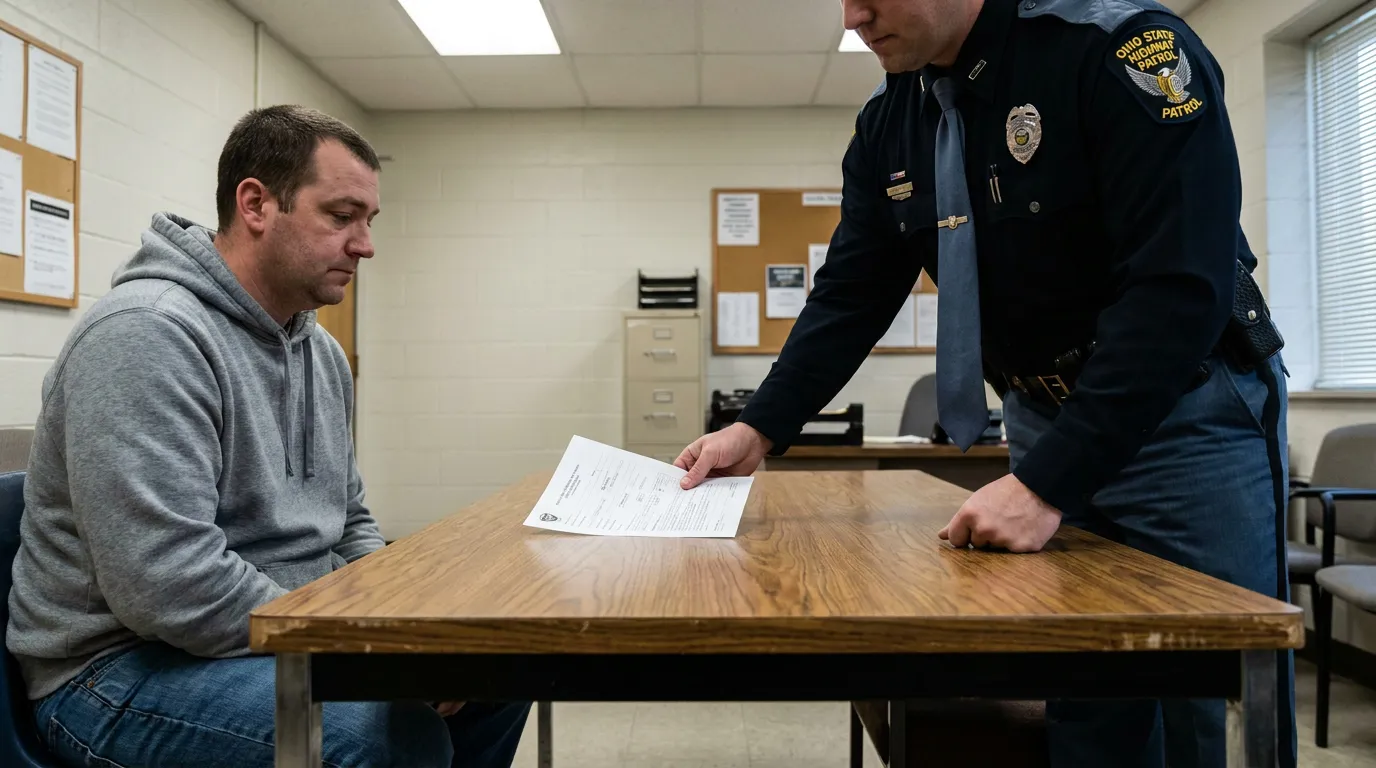
The ALS takes effect at the scene, not weeks later. When a person refuses testing, the officer can take the physical license and the suspension begins immediately. This is a key distinction for Cincinnati drivers, because the ALS is separate from and precedes the criminal OVI case.
💡 Pro Tip: Because the suspension starts right away, do not assume you can keep driving while your case is pending. Driving on a suspended license can add new charges that complicate your situation.
Penalties escalate based on your prior record. Ohio’s administrative framework identifies enhanced suspension categories tied to a driver’s history, including situations with multiple prior OVI convictions or test refusals within a ten-year period. Repeat contacts generally lead to steeper consequences.
Appealing a Refusal-Based Suspension in Hamilton County
Ohio law gives drivers a right to appeal an ALS, but the window is narrow. The appeal is filed in the same court handling the OVI charge. Under Ohio Revised Code Section 4511.197(A), a person may appeal the suspension at the person’s initial appearance on the charge resulting from the arrest or within the period ending thirty days after the person’s initial appearance. Missing that deadline can forfeit the chance to contest the administrative penalty.
Filing an appeal does not pause the suspension. Many drivers assume that challenging the ALS buys them time behind the wheel, but under Ohio Revised Code Section 4511.197(A), if the person appeals the suspension, the appeal itself does not stay the operation of the suspension. The refusal-based suspension generally remains in effect while the appeal is pending.
The scope of the appeal is limited by statute. A court reviewing a refusal suspension does not re-examine the entire case. One issue the court considers under Ohio Revised Code Section 4511.197(C) is whether the arrested person actually refused to submit to the chemical test or tests requested by the officer. You can read the statutory framework directly in the text of Ohio Revised Code Section 4511.197.
The outcome depends on whether statutory conditions were met. If the court finds one or more required conditions were not satisfied, the judge or magistrate must terminate the suspension and notify the BMV registrar. If all conditions are met, the court will uphold and continue the suspension.
How Long a Refusal Suspension Lasts and What Comes Next
An upheld or unappealed refusal suspension continues until the OVI charge is resolved. Under Ohio Revised Code Section 4511.197, a suspension that is upheld on appeal or not appealed shall continue until the complaint alleging the violation is adjudicated on the merits or terminated pursuant to law. A refusal ALS carries a definite term, one year for a first refusal, with longer terms for repeat situations. In a first-time refusal case, the ALS terminates and is credited toward any judicial suspension once the person pleads guilty or no contest and is convicted.
Reinstatement requires meeting specific BMV conditions. Once eligible, a driver generally must satisfy several requirements before driving privileges are restored.
Common reinstatement conditions may include the following:
- Submitting a completed Alcohol/Drug Reinstatement form, identified as BMV 2326, to the Ohio Bureau of Motor Vehicles
- Paying the required reinstatement fee and providing proof of insurance to the BMV
- Satisfying any court-ordered terms connected to the underlying case
- Meeting waiting periods or other requirements tied to the applicable suspension category
Refusal does not guarantee you avoid a conviction. Some drivers refuse believing that without a test result, a case cannot proceed. In reality, the case will depend strictly upon the officer’s observations and testimony. A prosecution can still move forward on that evidence alone.
💡 Pro Tip: If you refused testing, note whether field sobriety tests were properly administered and whether the officer documented specific observations. Procedural gaps can become part of a defense strategy.
Why Local Guidance Matters for Cincinnati OVI Cases
OVI defense in Hamilton County involves overlapping administrative and criminal deadlines. The ALS process runs on its own timeline while the criminal OVI case proceeds separately. A knowledgeable OVI attorney in Cincinnati can review whether probable cause existed, whether the arrest was valid, and whether the refusal was properly documented.
The stakes extend beyond the courtroom. A suspension can affect employment, insurance, and daily obligations. For a deeper look at how a lengthy suspension can follow a refusal, this discussion of how refusing a breath test may cost years of driving explains what repeat or aggravated situations can involve.
💡 Pro Tip: Keep copies of any paperwork the officer gave you at the scene, including the notice of suspension. That document often contains deadlines and case information your defense will need.
What Happens if You Refuse a Breathalyzer in Ohio: Key Takeaways for Drivers
Understanding what happens if you refuse a breathalyzer in Ohio comes down to recognizing that two processes run at once. The administrative suspension hits immediately and independently, while the criminal OVI case follows its own path and can proceed on officer testimony. Ohio’s administrative framework also distinguishes several suspension types, showing how fact-specific each case can be.
Frequently Asked Questions
1. Does refusing a breathalyzer in Cincinnati mean I cannot be convicted of OVI?
No. A DUI in Cincinnati Ohio case can proceed based on the officer’s observations and testimony even without a chemical test result. Refusal removes one type of evidence but does not prevent prosecution.
2. How quickly does my license get suspended after a refusal?
Generally, the suspension begins immediately at the scene. The officer can take your physical license on the spot, and the administrative suspension takes effect before any court conviction.
3. Can I keep driving if I appeal the suspension?
Usually not. Under Ohio Revised Code Section 4511.197(A), filing an appeal does not stay the suspension, so it typically remains in effect while your appeal is pending. In some cases, however, a driver may separately petition for limited driving privileges.
4. When must I file an appeal of the administrative suspension?
The appeal must be filed at your initial court appearance on the charge or within thirty days after that appearance. Missing this window may forfeit your right to challenge the ALS.
5. What do I need to reinstate my license?
Reinstatement conditions generally include submitting the completed BMV 2326 form to the Ohio Bureau of Motor Vehicles, paying the reinstatement fee, providing proof of insurance, and satisfying any other applicable requirements. The exact conditions depend on the suspension category and case resolution.
Protecting Your License and Your Future After a Refusal
A breathalyzer refusal in Cincinnati creates immediate and long-lasting consequences that deserve a careful, informed response. Between the administrative suspension, strict appeal deadlines, and the criminal OVI case that can move forward without a test result, drivers face a layered process where timing and procedure matter.
If you are dealing with chemical test refusal in Ohio and want to understand your rights, the attorneys at Yonas & Phillabaum are prepared to help. Call 513-427-6100 today or send a message through our secure contact page to discuss how the administrative and criminal processes may affect you. Taking action promptly can make a meaningful difference in protecting your driving privileges.
This is not legal advice; this is a legal advertisement.