How To Avoid Probate in Ohio
Probate is the court process used to transfer assets after someone dies. In Ohio, probate may involve filing documents with the probate court, identifying assets, notifying heirs or beneficiaries, paying debts, and distributing property. For some families, the process is simple. For others, it can be time-consuming, expensive, and stressful.
The good news is that many Ohio residents can reduce or avoid probate with proper estate planning. Probate avoidance is not about hiding assets or avoiding valid debts. It is about making sure property passes smoothly to the right people with fewer delays and less court involvement.
For Ohio consumers, families, and business owners, planning ahead can make a major difference.
Is Probate Always Bad?
No. Probate is not always avoidable, and it is not always bad.
In some situations, probate provides structure and court oversight. This can be helpful when there are creditor issues, disputes among family members, unclear ownership, or questions about a will. Probate may also be necessary when a person dies owning assets only in their name with no beneficiary or transfer-on-death designation.
That said, many families prefer to avoid probate when possible because probate can:
- Delay access to assets
- Add court costs and legal fees
- Create extra paperwork
- Make estate details part of the public record
- Increase stress for loved ones
- Complicate business operations after an owner’s death
The right plan depends on your assets, family situation, business interests, and goals.
Use a Trust to Avoid Probate
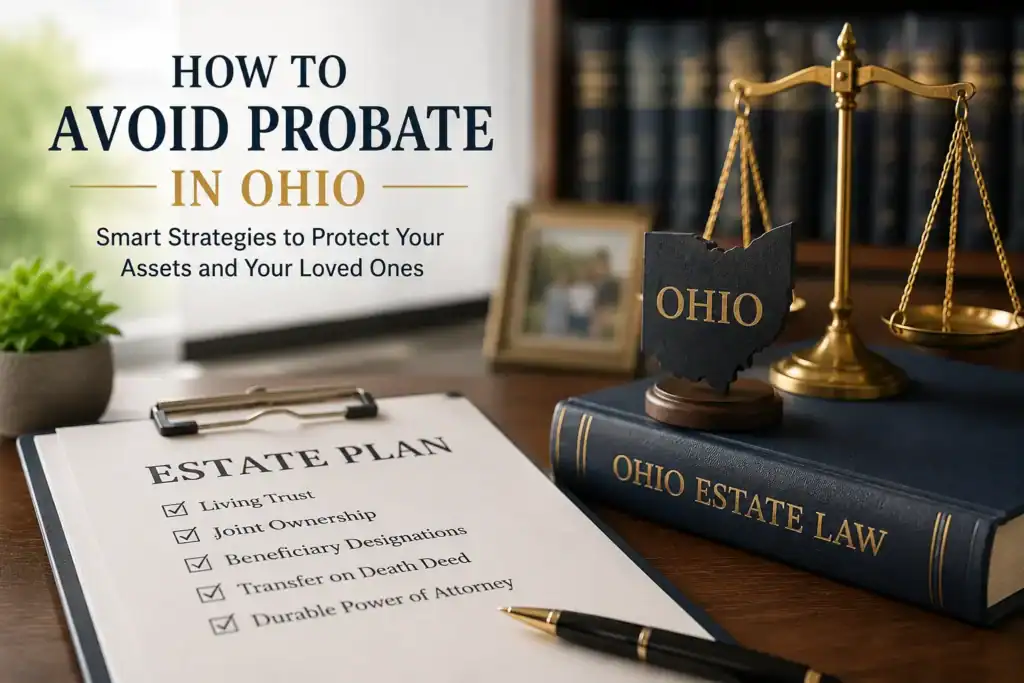
A trust is one of the most common probate avoidance tools in Ohio estate planning. With a revocable living trust, you create a legal arrangement that holds assets for your benefit during your lifetime and directs how those assets should be distributed after your death.
During your lifetime, you can usually serve as the trustee and keep control over the trust assets. You can also change or revoke the trust if your circumstances change. After your death, the successor trustee can manage and distribute the trust property according to your instructions without sending those assets through probate.
A trust may be useful if you:
- Own real estate
- Have children from a prior relationship
- Want privacy
- Want to reduce court involvement
- Own property in more than one state
- Want to control how and when beneficiaries receive assets
- Have a family member who needs help managing money
- Own a business or investment property
Creating the trust is only part of the process. Assets must also be properly transferred or “funded” into the trust. If you create a trust but leave major assets in your individual name, those assets may still need to go through probate.
Use Transfer-on-Death Designations for Ohio Real Estate
Ohio allows certain assets to pass by transfer-on-death designation. For real estate, this often involves filing a transfer-on-death designation affidavit with the county recorder.
This tool lets you name a beneficiary to receive the property after your death. You keep ownership during your lifetime, and the beneficiary does not own the property until you pass away. You can also change the designation if needed, as long as you follow the proper process.
A transfer-on-death designation can be a practical option for a home, rental property, or land. However, it should be used carefully. Problems can arise if beneficiaries do not get along, if a beneficiary dies before you, if the property has a mortgage, or if the plan does not match the rest of your estate documents.
Review Beneficiary Designations
Many assets can pass outside probate through beneficiary designations. These may include:
- Life insurance policies
- Retirement accounts
- IRAs
- 401(k) accounts
- Payable-on-death bank accounts
- Transfer-on-death investment accounts
Beneficiary designations are powerful because they usually control who receives the asset, even if your will says something different. That is why it is important to review them regularly.
Common problems include:
- Naming an ex-spouse by mistake
- Failing to name a backup beneficiary
- Naming a minor child directly
- Forgetting to update beneficiaries after death, divorce, marriage, or birth of a child
- Using beneficiary designations that conflict with a trust or estate plan
A simple review can prevent major problems later.
Consider Joint Ownership Carefully
Joint ownership can help avoid probate in some cases, especially when property is owned with rights of survivorship. When one owner dies, the surviving owner may automatically receive the deceased owner’s interest.
This can be useful for spouses or certain shared property arrangements. But joint ownership is not always the best answer.
Adding someone as a joint owner can create risks, including:
- Giving that person immediate ownership rights
- Exposing the asset to that person’s creditors
- Creating tax or Medicaid planning issues
- Causing conflict among children or heirs
- Making it harder to sell or refinance property
- Producing unintended inheritance results
For example, adding one child to a bank account or deed may seem simple, but it can create disputes if other children expected to share equally. Before using joint ownership as a probate avoidance tool, it is wise to understand the legal and practical effects.
Plan for Business Succession
Ohio business owners need more than a basic will. If you own an LLC, corporation, partnership interest, farm, rental company, or family business, probate can disrupt operations if ownership is not planned carefully.
Business succession planning may include:
- Operating agreement provisions
- Buy-sell agreements
- Trust ownership of business interests
- Key person planning
- Successor manager or officer appointments
- Instructions for sale, transfer, or continuation of the business
- Coordination with life insurance or funding arrangements
Without a plan, family members may disagree about who should run the business, whether it should be sold, or how ownership should be divided. Lenders, vendors, employees, and customers may also need clear authority from someone who can act quickly.
A strong succession plan helps protect both your family and the value of the business.
Keep Your Estate Plan Updated
Probate avoidance planning is not a one-time task. Your plan should be reviewed after major life events, such as:
- Marriage or divorce
- Birth or adoption of a child
- Death of a beneficiary
- Buying or selling real estate
- Starting or selling a business
- Moving to or from Ohio
- Major changes in finances
- Family conflict or estrangement
- Changes in tax, probate, or estate planning laws
An outdated plan can be almost as problematic as having no plan at all.
Why Planning Ahead Matters
The best time to plan is before there is a crisis. Once someone becomes incapacitated or passes away, options may be limited. A thoughtful Ohio estate plan can help your loved ones avoid confusion, reduce conflict, and move forward with fewer court delays.
Yonas & Phillabaum, LLC Attorneys at Law assists Ohio consumers, families, and business owners with estate planning, probate avoidance, trusts, transfer-on-death planning, and business succession matters. With the right guidance, you can create a plan that fits your assets, protects your family, and supports your long-term goals.
General note: This article provides general information about probate avoidance in Ohio and is not legal advice for any specific situation.