What is Mediation? Solving Legal Disputes Outside the Courtroom
Courtrooms often bring stress, high costs, and lengthy delays. If you face a legal dispute, you might wonder if there is a better way to find a fair solution. That is where mediation comes in.
This guide explains what mediation is, how the process works, and why it often provides a much better path forward for everyone involved.
Understanding the Purpose: What is Mediation?
Mediation is a voluntary, private process where a neutral third party—the mediator—helps disputing parties reach a mutual agreement. Unlike a judge or a jury, a mediator does not make decisions for you. They do not declare winners or losers.
Instead, mediators guide the conversation, clarify the core issues, and help both sides find common ground. The primary purpose of this process is to resolve conflicts smoothly, removing the need for a formal, combative trial.
How the Process Works in Legal Disputes
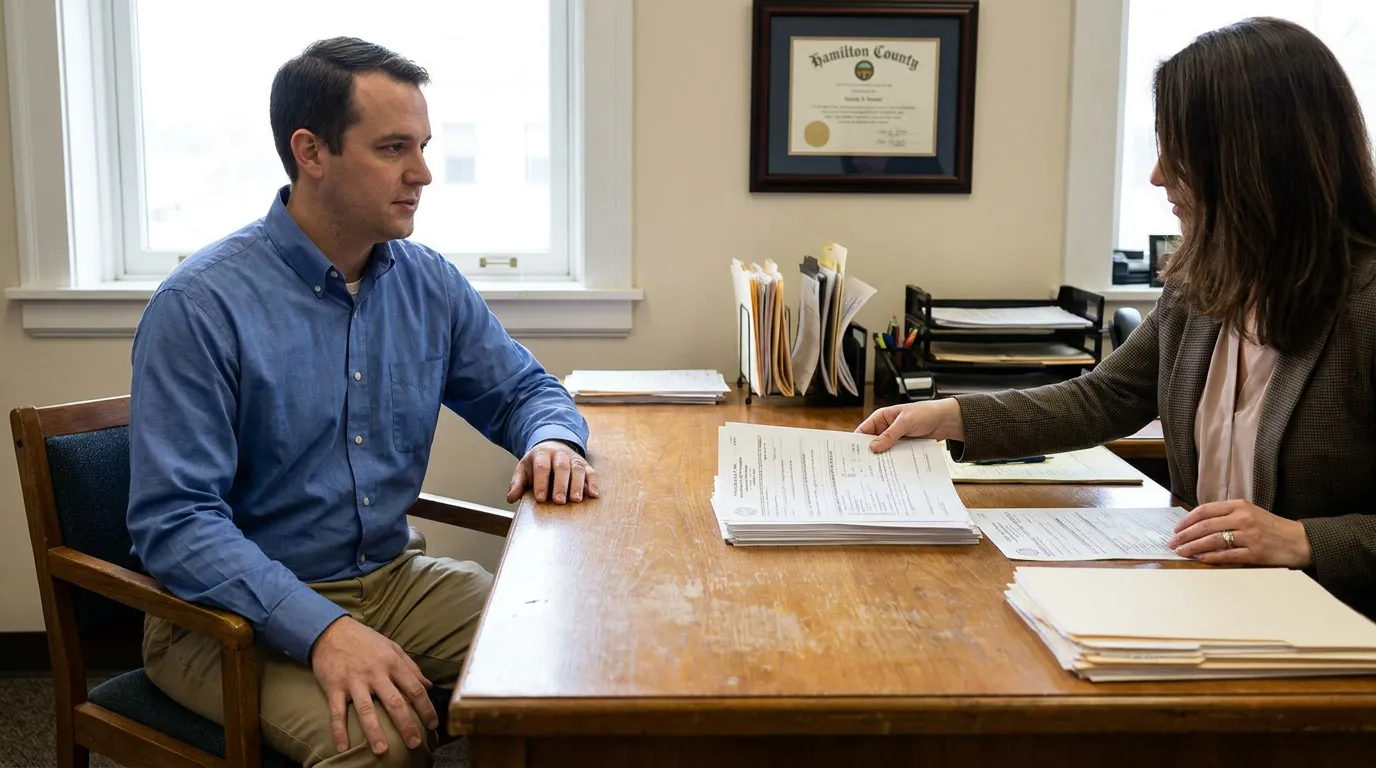
During a typical session, all parties meet with the mediator. You can—and generally should—have your attorney present to offer legal advice. The mediator usually starts with a joint session so everyone can safely share their perspective.
After the joint introduction, the parties often move into separate rooms. The mediator will then walk back and forth between the rooms. They carry settlement offers, explain risks, and explore potential compromises with each side privately. If everyone reaches an agreement, your attorneys will immediately draft a legally binding contract to finalize the resolution.
The Main Benefits of Mediation
Choosing this alternative dispute resolution method offers several distinct advantages over traditional courtroom litigation. Cost-Effective Solutions Going to trial requires extensive preparation, prolonged discovery phases, and heavy court fees. Mediation cuts down on these expenses significantly. Because the process moves
much faster than a trial, you spend far less on attorney fees and administrative costs.
Strict Confidentiality
Court cases automatically become public record. Anyone can access the intimate details of your dispute. Mediation, however, remains completely private. Furthermore, what you say during a mediation session cannot be used against you later in court if you fail to reach an agreement.
Amicable Resolutions
Trials naturally pit people against one another in a hostile environment. A mediator, by contrast, fosters cooperation and open communication. This collaborative approach helps preserve relationships. This proves especially valuable when you must continue interacting with the other party after the dispute ends.
Common Cases That Benefit from Mediation
Many different types of legal conflicts respond incredibly well to this collaborative approach. Some of the most common examples include:
- Family disputes: Divorce and child custody arrangements benefit greatly from a cooperative environment, protecting children from the stress of a hostile courtroom.
- Business conflicts: Partners, vendors, or competing companies can resolve contract disagreements quietly. This protects their public reputation and preserves ongoing business relationships.
- Personal injury claims: Injured victims and insurance companies frequently use mediators to agree on fair financial settlement amounts without waiting months or years for an open trial date.
Take the Next Step with Yonas & Phillabaum
You do not have to endure the stress, cost, and public exposure of a trial to resolve your legal issues. Mediation offers a clear, private, and cost-effective path to moving forward with your life.
If you need help navigating a complex conflict, the experienced legal team at Yonas & Phillabaum is here to stand by your side. Contact Yonas & Phillabaum today to learn more about our expert mediation services and discover how we can help you achieve a peaceful, fair resolution.