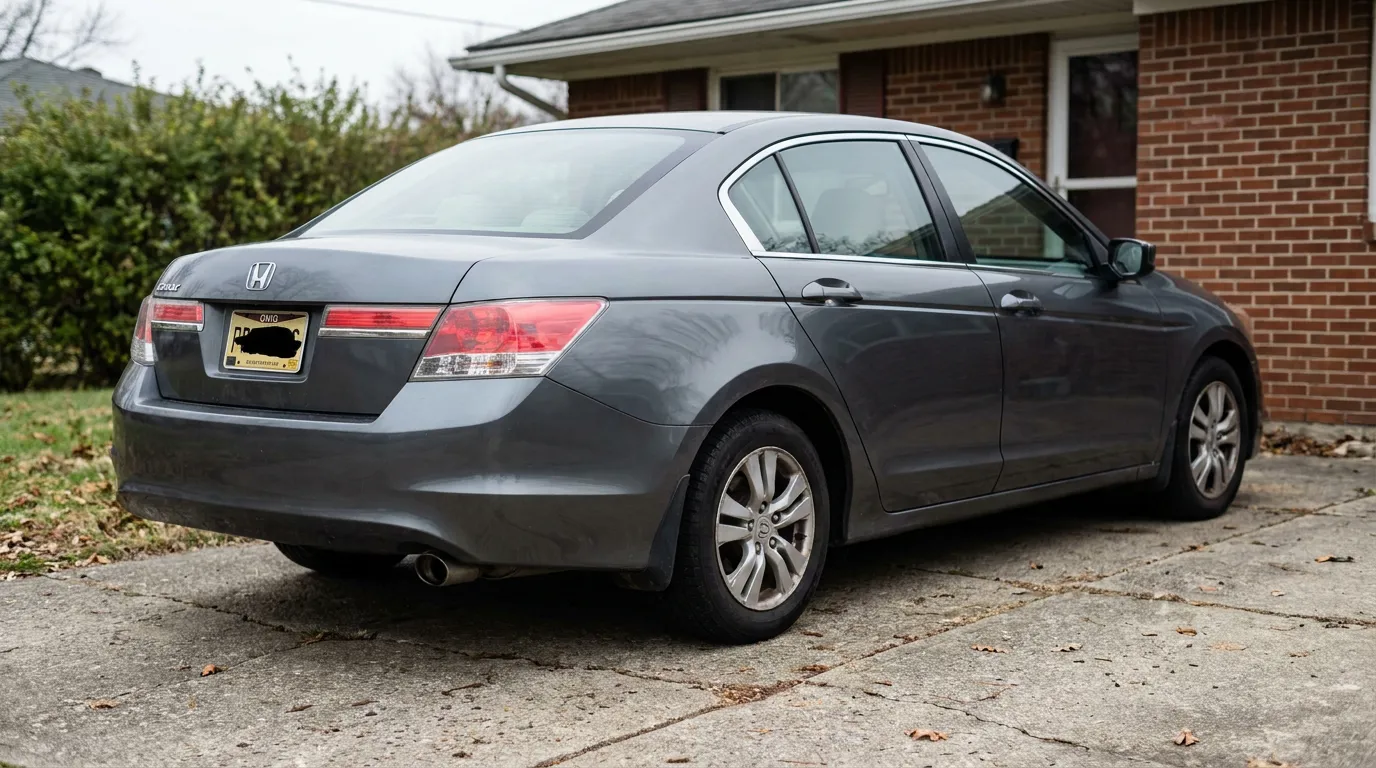
Can a Cincinnati OVI Be Charged Without Driving the Car?
Yes, you can face OVI-related charges in Cincinnati even without actively driving. Many assume sitting in a parked car while impaired is not a crime, but Ohio law distinguishes between two offenses: Operating a Vehicle Impaired (OVI) under R.C. 4511.19 and "physical control" under R.C. 4511.194. Whether behind the wheel on the road or sitting in the driver’s seat with the ignition key, prosecutors in Hamilton County may pursue charges. Understanding these statutes is critical if facing an OVI while parked Cincinnati charge, as penalties, defenses, and consequences differ significantly.
If you were recently charged, Yonas & Phillabaum can help. Call 513-427-6100 or reach out online to discuss your case.
What "Operate" Really Means Under Ohio OVI Law
Ohio’s OVI statute does not use the word "drive." Instead, R.C. 4511.19(A)(1) prohibits "operation" of a vehicle while impaired. Ohio Revised Code 4511.01(HHH) defines "operate" as "to cause or have caused movement of a vehicle, streetcar, or trackless trolley." That definition includes both present and past tense, allowing charges based on circumstantial evidence of prior movement.
Actual vehicle movement is required for OVI conviction, but you need not be caught driving in real time. If an officer finds you passed out in your car on a highway shoulder, a jury could infer you drove there while impaired. The past-tense language allows prosecutors to build cases around indirect evidence of prior movement.
???? Pro Tip: If found in or near your vehicle while impaired, anything you say about how the car got there can prove prior operation. Exercise your right to remain silent and request an attorney.
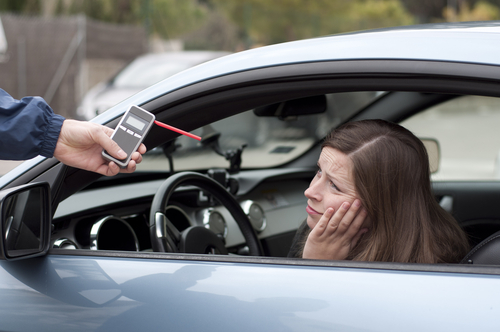
Ohio’s Physical Control Statute: Charged OVI Not Driving
Without evidence of vehicle movement, Ohio law provides a separate charge for impaired individuals in the driver’s seat. Under R.C. 4511.194, "physical control" means being in the driver’s position with possession of the ignition key or device. You need not start the engine or move the car.
Under R.C. 4511.194(B), no person shall be in physical control of a vehicle while under the influence or exceeding specified blood, breath, or urine alcohol concentrations. A per se violation occurs at concentrations specified in R.C. 4511.19(A)(1)(b) through (e), including the.08 threshold. The difference lies in what prosecution must prove about your actions, not impairment level.
How Physical Control Differs From a Full OVI
Physical control convictions carry less severe consequences than full OVI. Physical control is a first-degree misdemeanor with possible class seven license suspension. However, it carries no license points and is not enhanceable for future OVI penalties, critical distinctions for those with prior records or concerned about cumulative consequences.
| Factor | OVI (R.C. 4511.19) | Physical Control (R.C. 4511.194) |
|---|---|---|
| Vehicle movement required | Yes (actual or inferred) | No |
| Offense level | Misdemeanor or felony (depending on priors) | First-degree misdemeanor |
| License points | Yes | No |
| Enhanceable for future OVI | Yes | No |
| License suspension | Varies by offense number | Class seven suspension possible |
| BAC threshold (.08+) | Applies | Applies |
???? Pro Tip: Defense attorneys often negotiate OVI charge reductions to physical control for lighter long-term consequences. This strategy is worth discussing with your DUI attorney.
Why the 2004 Legislative Change Matters for Your DUI Defense Cincinnati Case
In 2004, the Ohio General Assembly significantly reformed impaired-driving laws. Legislators added "at the time of the operation" language to R.C. 4511.19(A)(1), codified "operate" in R.C. 4511.01(HHH), and created the separate physical control statute under R.C. 4511.194. These amendments formally distinguished between causing vehicle movement while impaired and merely being present in a parked vehicle while impaired.
Before this change, "operate" existed only under common law, making the line between operating and sitting in a vehicle unclear. Two distinct statutes gave courts, prosecutors, and defense attorneys clearer frameworks for these cases. For those charged with DUI parked car Ohio scenarios, this legislative history can be meaningful to defense strategy.
What Officers Must Establish to Make an Arrest
Law enforcement needs probable cause to believe you committed a specific offense before arrest. Under R.C. 4511.191, the implied consent framework recognizes two bases: operating a vehicle in violation of R.C. 4511.19 or being in physical control in violation of R.C. 4511.194. Which basis applies shapes your entire case trajectory, including chemical testing and elements the state must prove.
???? Pro Tip: The distinction between "operating" and "physical control" should appear in officer reports and charging documents. If facts don’t support the charge filed, that inconsistency may form a strong defense basis.
Defenses Available When You Were Not Driving
Several defense strategies may apply to actual physical control Ohio OVI charges. Because prosecution must prove specific statutory elements, your attorney can challenge whether those elements were met.
- No possession of the ignition key: Without the key or ignition device in your possession, the statutory definition of physical control is not satisfied.
- Not in the driver’s seat: The statute requires you be in the driver’s position. If sleeping in the back seat or outside the vehicle, the charge may not hold.
- Prescription defense: R.C. 4511.194(E) provides that per se controlled substance concentration provisions under division (B)(3) don’t apply if you obtained the substance through valid prescription and used it as directed. This doesn’t apply to general impairment charges under division (B)(1).
- Challenging the traffic stop or encounter: Constitutional protections apply, and unlawful stops or detentions may result in evidence suppression.
For more on these defenses, read our guide on common OVI questions.
How a DUI Attorney Can Help With a Physical Control Charge
An experienced DUI attorney understands nuances between Ohio’s OVI and physical control statutes and can use those differences to your advantage. Every case turns on its facts, including vehicle location, whether the engine was running, key location, and officer observations.
Strong Cincinnati DUI defense often starts with examining the charging decision itself. Was prosecution evidence strong enough for OVI, or does the case fit physical control? If the state overcharged, your attorney can push for reduction. If physical control charges have weaknesses, dismissal may be possible.
???? Pro Tip: Ohio OVI laws Cincinnati residents should know include the.08 BAC per se threshold, applying to both OVI and physical control charges. Even if you felt sober, chemical test results at or above that level create per se violations regardless of actual impairment.
The Stakes of Ignoring the Charge
Even physical control convictions carry real consequences affecting your record, license, and future. While penalties are lighter than full OVI, a first-degree misdemeanor remains a criminal conviction. Courts may impose fines up to $1,000, up to six months jail, probation, and license suspension. Ignoring the charge or assuming it will disappear because you "weren’t even driving" can follow you for years.
Taking the charge seriously from day one gives your attorney the best opportunity to protect your rights. Early involvement allows thorough fact investigation, evidence preservation, and timely pretrial motions.
???? Pro Tip: Your case outcome may depend on how quickly you act. Witnesses’ memories fade, dashcam footage may be overwritten, and administrative license suspension deadlines can pass if you delay.
Frequently Asked Questions
1. Can I get an OVI in Ohio if my car was parked and turned off?
You may not face full OVI charges without evidence of vehicle movement, but can be charged with physical control under R.C. 4511.194. Physical control only requires being in the driver’s position with possession of the ignition key while impaired. Whether the engine was running is a factor courts may consider, but not a required element.
2. Is a physical control charge as serious as an OVI?
Physical control conviction is a first-degree misdemeanor with lighter long-term consequences than standard OVI. It doesn’t add license points and is not enhanceable for future OVI charges. However, it still results in a criminal record.
3. What if I was taking prescribed medication and fell asleep in my car?
Ohio law provides limited prescription defense under R.C. 4511.194(E). If you obtained controlled substances through valid prescription and used them as directed, per se controlled substance concentration provisions under division (B)(3) may not apply. However, this doesn’t shield you from general impairment charges under division (B)(1). Documentation from your prescribing physician is critical.
4. Can circumstantial evidence lead to a full OVI charge even if no one saw me drive?
Yes. Because R.C. 4511.01(HHH) defines "operate" to include having "caused" vehicle movement in past tense, prosecutors can use circumstantial evidence to argue you previously drove while impaired. Vehicle location, condition, and witness statements can all contribute to this inference.
5. Should I hire a DUI attorney for a physical control charge?
Physical control charges are criminal matters with potential jail time, fines, and license suspension, so experienced legal counsel is strongly advisable. An attorney familiar with Ohio OVI laws can evaluate whether statutory elements are met, identify viable defenses, and negotiate with prosecutors.
Protect Your Future After a Cincinnati OVI or Physical Control Charge
Being charged with OVI or physical control in Cincinnati doesn’t mean you’re out of options. Ohio law makes important distinctions between operating a vehicle while impaired and simply being in the driver’s seat, creating real defense opportunities. Your case facts, specific charge filed, and state’s evidence all determine where your case can go. What matters most is taking action quickly and understanding your rights.
The team at Yonas & Phillabaum is ready to review your situation. Call 513-427-6100 or contact us today to start building your defense.
This is not legal advice; this is a legal advertisement.