What Happens When Both Sides Share Blame?
Car accidents and other injury cases aren’t always black and white. In many cases, more than one person contributes to what happened, and insurance companies often try to shift as much blame as possible onto the injured party to reduce or deny a claim. Fortunately, Ohio law recognizes that fault can be shared, and being partially responsible for an accident doesn’t automatically bar you from recovering compensation.
Ohio Follows a Modified Comparative Negligence Rule
Ohio uses what’s known as a modified comparative negligence system with a 51% bar. Under this rule, an injured person can still recover damages as long as they are found to be 50% or less at fault for the accident. However, if you are found to be 51% or more at fault, you are barred from recovering any compensation at all.
- You can recover damages if you are 50% or less at fault
- Your compensation is reduced by your percentage of fault
- You recover nothing if you are found 51% or more at fault
- Fault is typically determined by a jury, judge, or insurance adjuster based on the evidence
How Comparative Negligence Reduces Your Compensation
If you’re found partially at fault, your total damages award is reduced by your percentage of responsibility. For example, if a jury awards $100,000 in damages but determines you were 20% at fault for the accident, your final recovery would be reduced to $80,000. This makes it critical to have solid evidence establishing exactly how the accident happened and who did what.
Common Situations Where Shared Fault Comes Up
- Left-turn accidents where both drivers dispute right of way
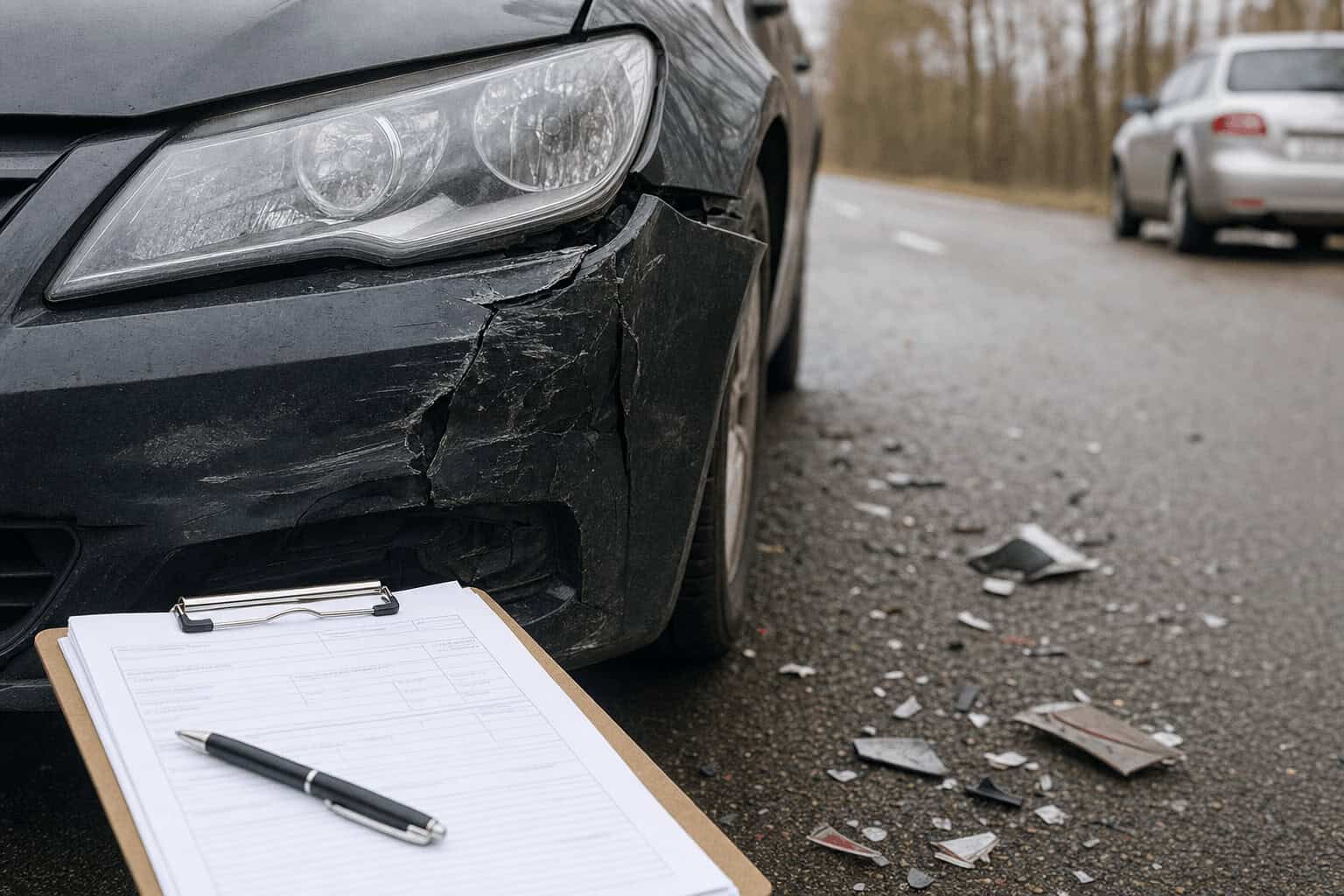
- Rear-end collisions where the lead driver stopped suddenly or had broken brake lights
- Pedestrian accidents where the pedestrian was jaywalking
- Slip and fall cases where a hazard was partially visible or the injured person wasn’t watching where they were walking
- Multi-vehicle accidents involving several potentially negligent drivers
Why Insurance Companies Focus on Fault Percentages
Because Ohio’s rule can eliminate compensation entirely at the 51% threshold, insurance companies have a strong incentive to argue that you were more at fault than you actually were. Adjusters may use recorded statements, traffic camera footage, or even social media posts to try to shift blame onto you. This is one of the biggest reasons injury victims should be cautious about what they say to insurers before speaking with an attorney.
Protecting Your Claim When Fault Is Disputed
- Gather photos, witness contact information, and police reports as soon as possible
- Avoid admitting fault or apologizing at the scene, even out of politeness
- Be cautious giving recorded statements to any insurance adjuster
- Consult an attorney early so evidence can be preserved before it disappears
How an Attorney Can Help
An experienced Ohio injury attorney can investigate the accident, build evidence to minimize your assigned percentage of fault, and negotiate aggressively so an insurance company’s fault arguments don’t unfairly reduce or eliminate the compensation you deserve.
Comparative Negligence in Workplace and Premises Cases Too
While comparative negligence is most often discussed in the context of car accidents, the same 51% bar rule applies broadly across Ohio injury law, including slip and fall cases, dog bite claims, and other premises liability matters. Property owners and their insurers frequently argue that an injured visitor should have noticed a hazard or was somewhere they shouldn’t have been, so understanding how shared fault applies to your specific situation is an important part of evaluating any injury claim.