
Understanding Ohio’s Lowest-Level Offense in the Queen City
Key Takeaways: A minor misdemeanor is Ohio’s least serious offense category and generally cannot result in jail time, carrying only a fine (capped at $150 for offenses after January 1, 2004), community service, or financial sanction. Unlike first- through fourth-degree misdemeanors with defined jail terms, minor misdemeanors occupy their own bottom tier with no incarceration listed. Officers typically issue citations rather than arrest, and cases can often be resolved by pleading guilty and paying the fine at the clerk’s office within seven days. Ignoring a citation triggers escalation to a summons or arrest warrant, and prosecutions must begin within six months. Because judges retain sentencing discretion and collateral consequences can extend beyond the fine, understanding your exact charge before acting is essential.
A minor misdemeanor is the least serious offense category under Ohio law and generally cannot send you to jail. In Cincinnati and throughout Ohio, this classification covers conduct punished with a limited fine rather than incarceration. Ohio recognizes misdemeanors of the first, second, third, and fourth degree, minor misdemeanors, and unclassified offenses, placing minor misdemeanors in their own distinct bottom tier.
If you are facing a citation and want clarity on your options, the team at Yonas & Phillabaum is ready to help. Call our office at 513-427-6100 or reach out through our confidential case review form to discuss your situation.
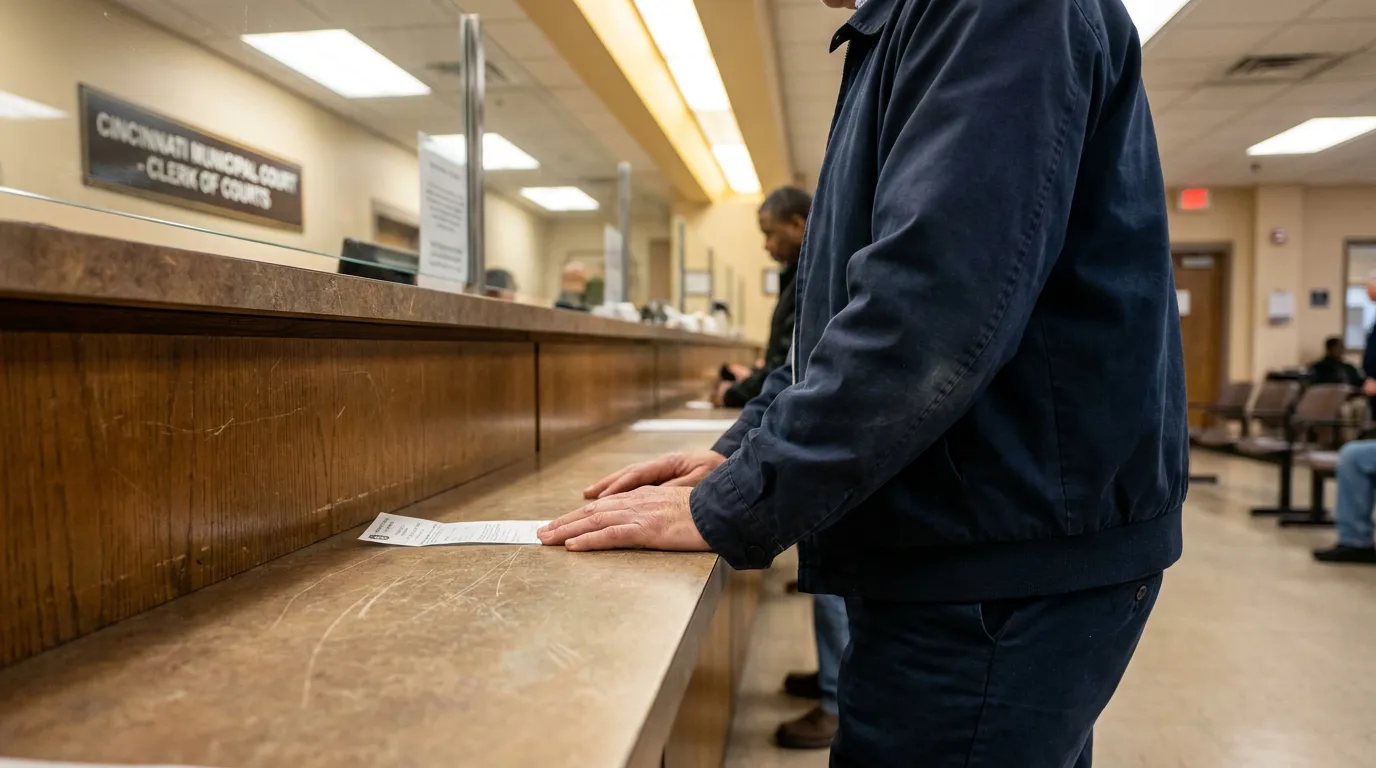
What a Minor Misdemeanor Ohio Charge Really Means
A minor misdemeanor is defined largely by what its penalty cannot include: jail time. Under Ohio law, an offense not specifically classified is a minor misdemeanor if the only penalty is a fine, community service, or financial sanction. The statutory definition appears in Ohio Revised Code Section 2901.02, which lays out how offenses are graded.
The financial ceiling is a defining feature. For minor misdemeanors committed on or after January 1, 2004, the maximum fine is capped at one hundred fifty dollars, sharply distinguishing them from higher-level misdemeanors. That cap is one of the clearest markers separating a minor misdemeanor from first through fourth degree offenses.
Local courts set the actual dollar figures you will see. Each court establishes a fine schedule listing the fine for each minor misdemeanor and applicable court costs, posted where fines are paid. The practical cost of a minor misdemeanor in Cincinnati depends on local court practice. Court costs add to the base fine, so the final total often exceeds the fine alone.
Where Minor Misdemeanors Fit in Ohio’s Classification System
Ohio grades its misdemeanors by degree, and minor misdemeanors sit below all of them. Classified misdemeanors range from first through fourth degree, with first degree being most serious and carrying possible jail time. Minor misdemeanors, by contrast, generally carry only a fine and no incarceration.
Jail exposure is the sharpest dividing line. Ohio law sets definite jail terms for classified misdemeanors: up to one hundred eighty days for first degree, up to ninety days for second degree, up to sixty days for third degree, and up to thirty days for fourth degree. No jail term is listed for minor misdemeanors. That framework applies only when a court imposes jail for a misdemeanor, reinforcing that minor misdemeanors are punishable by fine rather than incarceration.
The table below summarizes how the tiers compare on jail exposure.
| Offense Level | Maximum Jail Term |
|---|---|
| First degree misdemeanor | Up to 180 days |
| Second degree misdemeanor | Up to 90 days |
| Third degree misdemeanor | Up to 60 days |
| Fourth degree misdemeanor | Up to 30 days |
| Minor misdemeanor | No jail term listed |
Because the stakes rise quickly as the degree increases, knowing your exact charge matters. The distinction between a misdemeanor and a felony is even more significant. Readers who want a broader view can review our explanation of the difference between felony and misdemeanor charges.
How Cincinnati Police Typically Handle a Minor Misdemeanor
For most minor misdemeanors, Ohio law directs officers to issue a citation rather than arrest. When authorized to arrest a person for a minor misdemeanor, the officer generally shall not arrest but shall issue a citation. This citation-first approach is why these offenses are considered the lowest level and usually handled without jail booking. The details appear in Ohio Revised Code Section 2935.26.
That general rule has important exceptions. An officer may still arrest when the offender needs medical care or cannot ensure his own safety, fails to provide satisfactory identification, refuses to sign the citation, or has a prior citation for the same offense with a failure to appear or comply. These carve-outs are narrow but can apply in real situations.
Resolving the citation without court appearance is often possible. In lieu of appearing, the offender may within seven days appear at the clerk’s office, sign a guilty plea, and pay the fine. This streamlined disposition reflects the low-stakes nature of these charges. Still, pleading guilty creates a record, so weigh whether that is the right move for your circumstances.
💡 Pro Tip: Before paying a minor misdemeanor fine to make it "go away," consider whether the offense could affect a professional license, school enrollment, or immigration status. A quick conversation with counsel can help you understand collateral effects not obvious on the citation itself.
What Happens If You Ignore a Minor Misdemeanor Citation
Ignoring a citation can turn a low-level matter into something more serious. If an offender fails to appear or comply, the court issues a supplemental citation. If the offender still fails to appear or comply within thirty days after the supplemental citation is issued, the court may issue a summons or arrest warrant. The protection against arrest can evaporate when a citation goes unanswered. This escalation is one of the most common ways a minor issue becomes a bigger problem.
Courts weigh several factors when deciding on a sentence. In determining the appropriate sentence for a misdemeanor, the court considers factors including the nature and circumstances of the offense and the offender’s history of criminal activity and risk of reoffending. A court may impose any authorized sanction or combination and shall not impose a sentence that imposes an unnecessary burden on local government resources. These principles give judges discretion, so outcomes depend heavily on specific facts.
Common issues that can complicate an otherwise minor charge include:
- Missing a deadline to respond, triggering a supplemental citation or warrant
- An officer relying on one of the statutory arrest exceptions during the stop
- Prior citations for the same conduct, changing how a case is treated
- Overlooking collateral consequences that reach beyond the fine itself
Deadlines, Defenses, and Why Timing Matters
Minor misdemeanors carry a shorter prosecution deadline than other offenses. Under Ohio law, prosecution is generally barred unless commenced within six months for a minor misdemeanor, compared with two years for other misdemeanors and six years for a felony. This statute of limitations is a criminal procedural bar distinct from any administrative deadline you may face. Courts interpret exceptions to these limits narrowly, and tolling or extensions apply only in limited circumstances.
Because outcomes are fact-dependent, general rules only take you so far. Whether a defense applies depends on the details of the stop, the citation, and the underlying conduct. Our attorneys focus on protecting constitutional rights, examining probable cause, and pursuing reduced or alternative dispositions where appropriate. Learn more about our approach to Cincinnati criminal defense representation and how we evaluate each case individually.
No article can substitute for advice tailored to your situation. The presumption of innocence applies, and the state carries the burden of proof. If you are weighing how to respond to minor misdemeanor charges Ohio residents commonly face, speaking with an Ohio misdemeanor defense attorney can help you understand your realistic options.
Frequently Asked Questions
- Can a minor misdemeanor put me in jail?
Generally, no. A minor misdemeanor carries only a fine, community service, or financial sanction, and no jail term is listed for this category. However, ignoring the citation can lead to escalating consequences, including a possible warrant.
- How much is the fine for a minor misdemeanor in Ohio?
The statute caps the fine at one hundred fifty dollars for offenses committed on or after January 1, 2004. Each court sets its own fine schedule, and court costs may be added. The final amount can vary by court.
- Do I have to go to court for a minor misdemeanor Cincinnati citation?
Not always. In many cases, you may resolve the matter by appearing at the clerk’s office within seven days to sign a guilty plea and pay the fine. Because pleading guilty creates a record, discussing alternatives first can be worth it.
- How long does the state have to charge me?
A prosecution for a minor misdemeanor generally must begin within six months. This is shorter than the two-year window for other misdemeanors. Exceptions are interpreted narrowly and do not apply automatically.
- Can police arrest me for a minor misdemeanor?
Usually an officer must issue a citation instead of arresting you. However, exceptions exist, such as when you cannot provide satisfactory identification or refuse to sign the citation. In those limited situations, arrest may be permitted.
Putting It All Together
A minor misdemeanor is Ohio’s lowest offense tier, defined by a capped fine and no jail exposure, yet it should not be dismissed as meaningless. The classification carries its own rules on citations, deadlines, fine schedules, and escalation if you fail to respond. Because judges retain discretion and collateral consequences can reach beyond the fine, the smartest step is understanding exactly what you face before acting. Every case turns on its own facts, so general guidance is only a starting point.
If you or a loved one is dealing with a minor misdemeanor ohio matter and want experienced guidance, the team at Yonas & Phillabaum is here to help. Call us at 513-427-6100 or send a message through our secure contact page to talk through your next steps with a Cincinnati criminal defense attorney.
This is not legal advice; this is a legal advertisement.