The Most Dangerous Phase of a Lawsuit: Surviving Discovery
Many people assume the courtroom trial is the riskiest part of a legal dispute. The truth is quite different. The most dangerous phase happens months—sometimes years—before you step foot in front of a judge. This critical period is called the discovery phase.
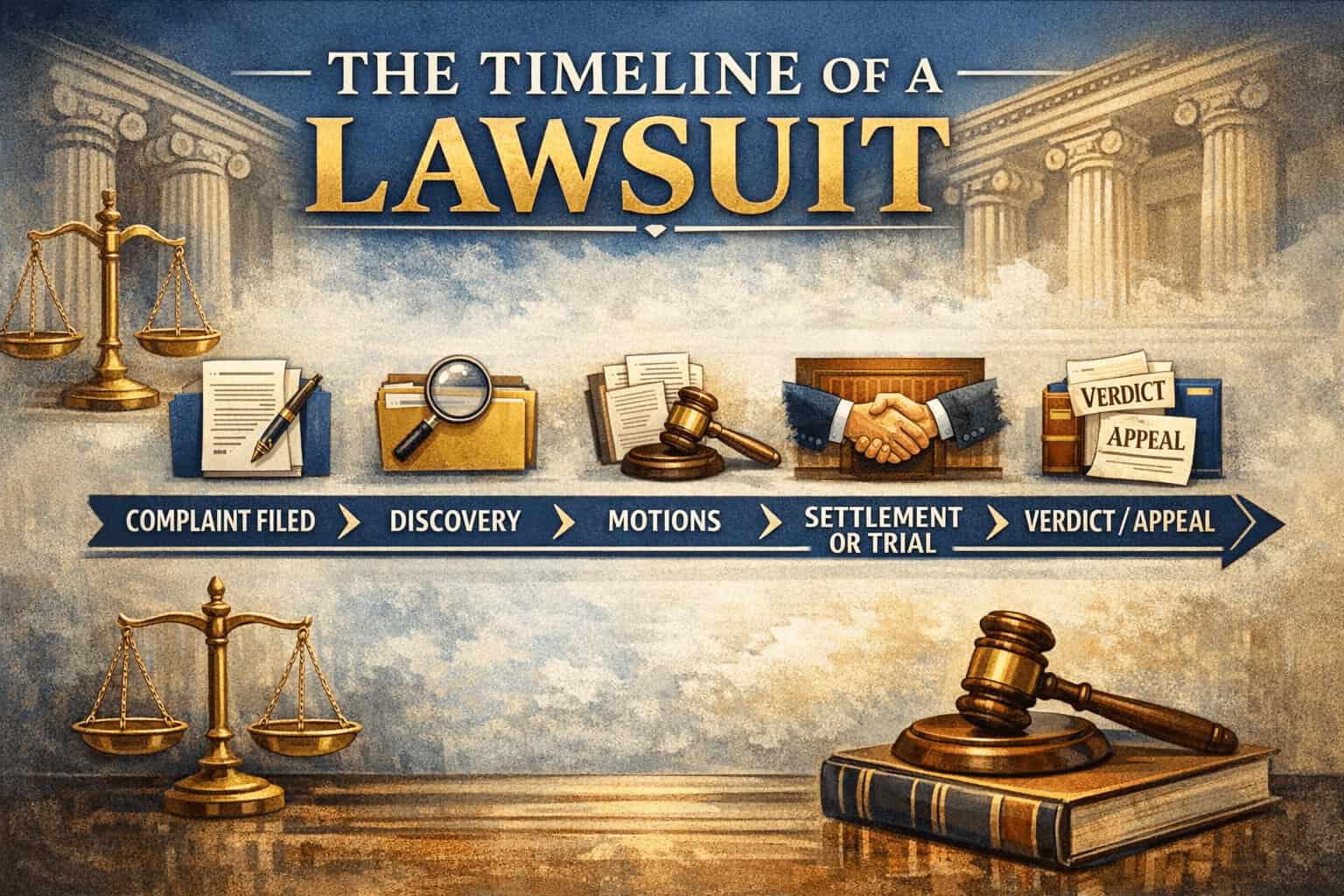
During discovery, both sides investigate the facts, gather evidence, and interview witnesses. Cases are almost always won, lost, or settled based on the information uncovered during this time. This article explains why discovery carries so much risk, highlights common traps clients fall into, and outlines how you can navigate this phase to protect your legal rights.
Why Discovery is the Most Critical Stage
Discovery is the longest and most intrusive part of civil litigation. Its primary purpose is to eliminate surprises at trial by allowing both sides to see the evidence beforehand.
This phase is dangerous because it forces you to lay your cards on the table. Opposing counsel will scrutinize your documents, emails, text messages, and financial records. They will also question you under oath during depositions. A single contradictory statement or a missing document can severely damage your credibility. If opposing counsel finds a glaring weakness in your evidence, they will leverage it to force a favorable settlement or win a swift dismissal.
Common Pitfalls During Discovery
Navigating discovery requires extreme caution. Clients who underestimate the strict rules of this process often make critical errors that compromise their claims.
Mishandling Electronic Evidence
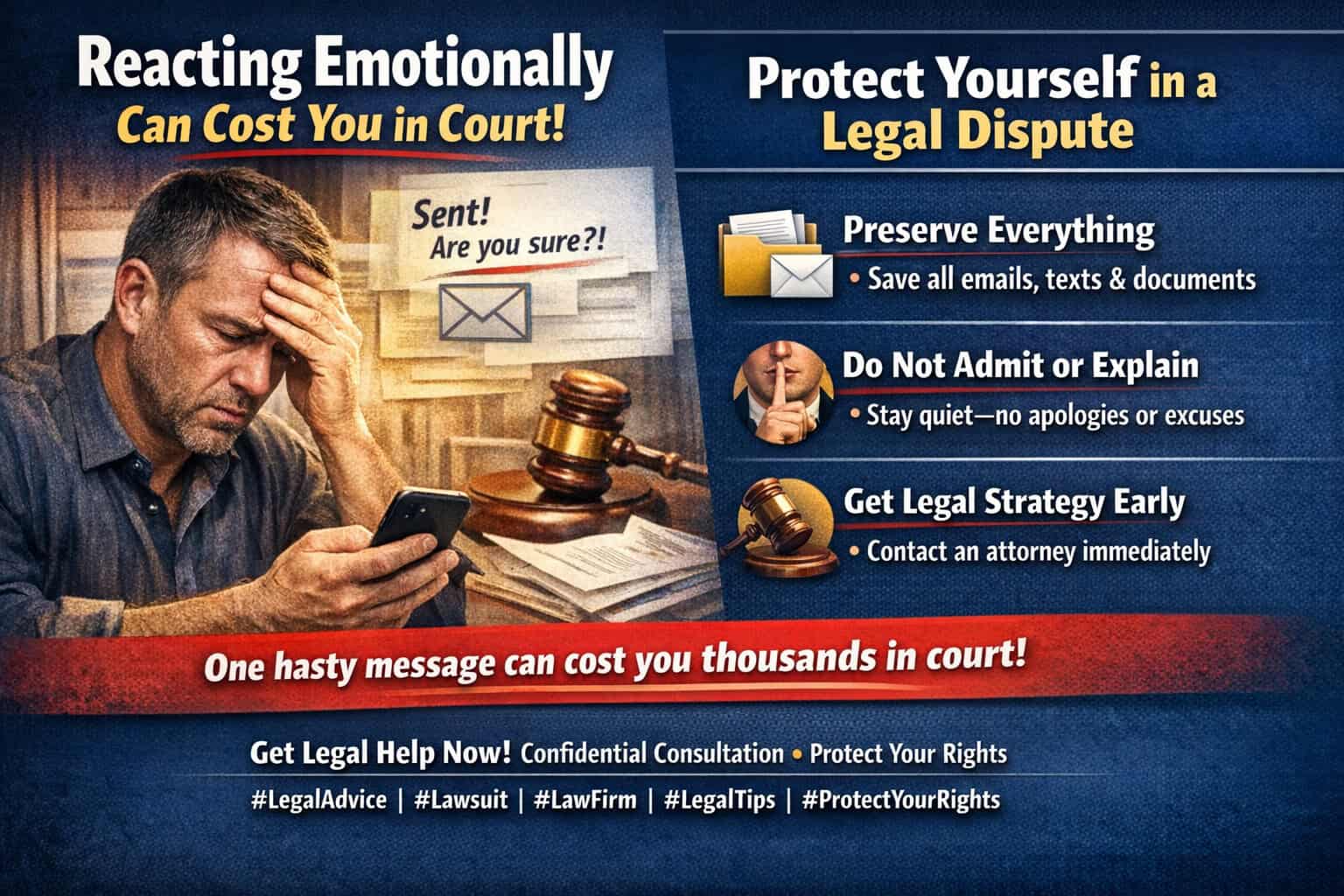
We communicate primarily through digital channels. Text messages, social media posts, and emails are highly sought-after evidence. A major pitfall occurs when clients delete messages, close social media accounts, or throw away old devices after a lawsuit begins. Courts view the destruction of evidence—known as spoliation—very harshly. Doing this can lead to severe financial sanctions or an automatic loss of your case.
Deposition Missteps
A deposition involves answering questions from the opposing lawyer under oath, recorded by a court reporter. Many clients feel tempted to over-explain their answers or argue with the opposing attorney. Providing more information than the lawyer specifically asked for gives the other side free ammunition to use against you.
How to Navigate the Discovery Phase Effectively
You can protect yourself and strengthen your case by taking a proactive, disciplined approach to discovery.
First, preserve all potential evidence immediately. Do not delete any emails, texts, or social media posts related to the dispute. If you are unsure whether a document matters, save it and ask your attorney.
Second, practice complete transparency with your legal team. Your lawyer cannot protect you from negative information they do not know about. Share all facts, both good and bad, so your attorney can prepare a strategy to handle any damaging evidence.
Finally, prepare extensively for your deposition. Listen closely to each question, pause before you speak, and answer only what is asked. A simple “yes,” “no,” or “I do not recall” is often the best and safest answer.
Securing Your Legal Future
The discovery phase does not have to be a trap. By preserving your evidence, staying honest with your legal team, and answering questions carefully, you can navigate this dangerous phase with confidence. If you are facing a potential lawsuit and need guidance through the complex discovery process, reach out to our legal team today to discuss your case strategy.