
In Ohio, a Mechanic’s Lien is a statutorily created mechanism that is intended to help contractors and suppliers who don’t get paid for their work on a construction project. In practice, a properly filed Mechanic’s Lien provides the unpaid party with a secured interest in the property in which they were working on. However, having the lien does not mean that the unpaid party will be automatically paid upon obtaining the lien. Instead, there are different manners in which the party subject to the lien (usually the property owner) can satisfy the lien in full.
The first, and likely most common, method of obtaining payment through a Mechanic’s Lien is through a sale of the property. A Mechanic’s Lien, like any other secured interest in real property, would appear on the property’s title and must be satisfied and released in order for the sale of the property to close. An effective analogy here is a mortgage. For example, consider an individual who is five years into a thirty-year mortgage on their home, and they wish to sell and move out of town. When a title agency prepares for the closing on the sale of the home, the current owner’s mortgage will come up in a title search against the property, and the title agency will work to obtain a “payoff” of that mortgage. When the owner finally does sell the home, the title agency will then take a portion of the seller’s proceeds and use that money to pay off the outstanding balance on the mortgage. A Mechanic’s Lien would essentially have the same effect on the closing of a sale of a property.
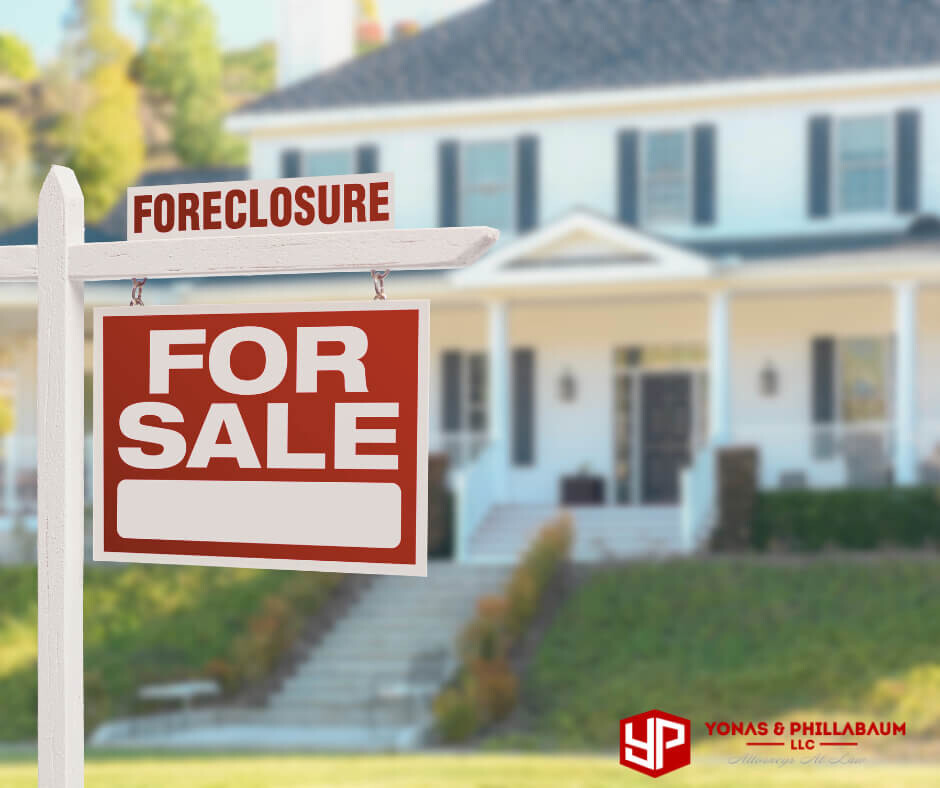
The second method of obtaining payment through a Mechanic’s Lien is through a judicial foreclosure action against the property. To continue the mortgage analogy, if a homeowner fails to pay their mortgage, the lender may file a foreclosure action against them. The foreclosure action would force the homeowner to either reach an agreement with the lender (usually through paying their outstanding balance owed with additional fees or by refinancing the property under new mortgage terms) or lead to a forced sale of the home to satisfy the outstanding mortgage. Again, a Mechanic’s Lien would work in much the same way. With a Mechanic’s Lien, the lienholder can file a foreclosure action against the subject property, effectively forcing the property owner to either pay what they owe or lose their property to a judicial auction – where it is very unlikely that the property would be sold for fair market value.
Whether you’re a contractor seeking to secure payment or an owner protecting your property rights, our Attorneys at Yonas and Phillabaum, LLC have the experience and strategic insight to guide you through the Mechanic’s Lien filing and foreclosure process with confidence.
This is not legal advice; this is a legal advertisement.