
Your Breath Test Results Could Be Invalid Without Proper Maintenance
If you’ve been charged with OVI in Ohio based on breath test results, the device’s maintenance records could be your strongest defense. Ohio law requires breath testing instruments to undergo specific checks every seven days, and any failure to meet these requirements can render your test results inadmissible. Understanding these maintenance requirements and identifying violations provides powerful ammunition when fighting OVI charges.
Many drivers don’t realize breath testing devices require constant calibration and maintenance to produce accurate results. When law enforcement fails to follow procedures mandated by Ohio Administrative Code, they create opportunities for skilled defense attorneys to challenge breath test evidence. These technical violations often go unnoticed without proper legal review.
💡 Pro Tip: Request all maintenance records for the breath testing device immediately after your arrest. The sooner your attorney can review these documents, the better chance you have of identifying procedural violations that could help your defense.
If you’re feeling the heat of an OVI charge and need to challenge the breath test results, Yonas & Phillabaum is ready to turn up the pressure. Reach out to us at 513-427-6100 or contact us, and let’s tackle these legal challenges together!
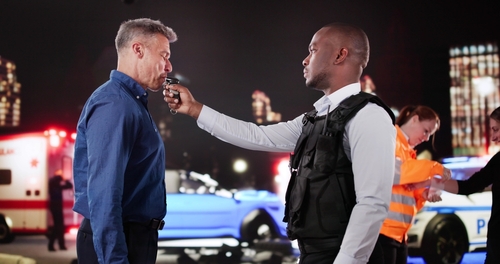
Understanding Ohio’s Strict Breath Test Maintenance Requirements
Ohio breath instrument checks and certifications requirements are among the most detailed in the nation. According to Ohio Administrative Code 3701-53-05, a senior operator must perform an instrument check no less frequently than once every seven days. However, the law allows the check to be performed anytime up to 192 hours after the last instrument check. This eight-day window becomes crucial when examining whether proper procedures were followed before your test.
Each instrument check must produce results within five one-thousandths (0.005) grams per 210 liters of the target value for the approved solution used. This narrow margin means even slight variations can invalidate an instrument check. Working with a DUI attorney who understands these technical specifications provides access to defense strategies many overlook.
Ohio law also requires dry gas controls using standards traceable to the National Institute of Standards and Technology (NIST) before and after every subject test. This double-check system creates multiple points where procedural errors can occur. Each instrument must receive annual certification, or certification whenever the dry gas standard is replaced, whichever comes first.
💡 Pro Tip: Look for gaps in the maintenance log that exceed 192 hours between checks. This common oversight can provide grounds for challenging your breath test results entirely.
The Critical Timeline for Challenging Breath Test Maintenance
Understanding the timeline of breath test maintenance and how it relates to your case requires careful attention to detail. Every moment between instrument checks matters, and the specific timing of your test relative to maintenance procedures can determine whether the results are admissible. Here’s what you need to know:
- Within 24-48 hours of arrest: Request all maintenance logs through your attorney to preserve evidence
- Review maintenance records: Defense attorneys review breath test maintenance records, which Ohio law requires to be kept for at least three years, to identify any violations of maintenance protocols that could render test results inadmissible in court
- Calculate the exact hours between checks: Exceeding the 192-hour maximum by even one hour can invalidate the instrument’s certification
- Document all calibration results: Each check showing results outside the ±0.005 range represents a potential defense opportunity
- Verify NIST traceability: Dry gas standards must have current NIST certification – expired standards invalidate all tests performed
💡 Pro Tip: Create a visual timeline showing all maintenance checks, violations, and your test date. Judges respond well to clear visual evidence demonstrating systematic maintenance failures.
Building Your Defense Strategy with Expert Legal Representation
Successfully challenging breath test maintenance requires more than just identifying violations – it demands presenting these technical issues in a way that judges and juries can understand. A skilled DUI attorney transforms complex maintenance logs into compelling evidence that questions your test results’ reliability. The team at Yonas & Phillabaum has extensive experience dissecting breath test maintenance records and identifying procedural errors that can lead to dismissed charges or acquittals.
Your defense strategy should focus on demonstrating how maintenance failures create reasonable doubt about test accuracy. Even minor deviations from required procedures can compound over time, potentially affecting the instrument’s ability to produce accurate readings. When breath testing devices aren’t properly maintained according to Ohio’s standards, they may produce false positives or inflated readings that don’t reflect your actual impairment level.
💡 Pro Tip: Don’t assume minor maintenance violations won’t matter. Courts have dismissed cases based on seemingly small procedural errors when properly presented by knowledgeable counsel.
Common Maintenance Violations That Can Invalidate Your Test
Ohio Bureau of Criminal Investigation standards require meticulous record-keeping for all breath testing equipment, yet maintenance violations occur more frequently than most realize. Understanding these common failures helps you and your attorney identify weaknesses in the prosecution’s case. Each violation type carries different implications for your defense, and recognizing these distinctions can significantly impact your case outcome.
Timing Violations and Documentation Errors
The most straightforward violations involve exceeding the 192-hour window between instrument checks. However, documentation errors can be equally damaging. Missing signatures, incomplete check forms, or illegible entries all raise questions about whether proper procedures were followed. Some agencies have been found backdating maintenance records to cover gaps, which constitutes evidence tampering when discovered. Your DUI attorney should scrutinize every entry for inconsistencies.
💡 Pro Tip: Look for patterns in maintenance timing, such as checks consistently performed on the same day each week. This can reveal when violations likely occurred during holidays or staff shortages.
Technical Standards and Calibration Requirements
Beyond basic maintenance schedules, Ohio’s breath testing requirements include specific technical standards that many law enforcement agencies struggle to meet consistently. The requirement for NIST-traceable dry gas standards represents a particularly complex area where violations frequently occur. These standards ensure breath testing devices produce results comparable to those from any properly maintained instrument nationwide.
Understanding Calibration Tolerances
The ±0.005 grams per 210 liters tolerance requirement seems minor, but it represents a crucial accuracy threshold. When an instrument check falls outside this range, it indicates potential calibration drift that could affect all subsequent tests until properly corrected. Multiple out-of-tolerance readings suggest systematic problems that cast doubt on any results the instrument produces. Experienced attorneys know how to present these technical violations effectively.
💡 Pro Tip: Request calibration certificates for the specific approved solutions used in maintenance checks. Expired or improperly stored solutions can cause false readings that appear as instrument malfunctions.
Frequently Asked Questions
Understanding Your Rights and the Legal Process
Many drivers facing OVI charges have questions about challenging breath test maintenance. Understanding these technical defenses helps you make informed decisions about your case strategy.
💡 Pro Tip: Write down all questions about breath test procedures before meeting with your attorney. The more specific your concerns, the better your lawyer can address potential defenses.
Next Steps After Identifying Maintenance Violations
Once maintenance violations are discovered, your legal team will file appropriate motions to exclude the breath test evidence. This process requires careful preparation and strategic timing to maximize your defense opportunities.
💡 Pro Tip: Stay involved in your defense by reviewing maintenance records with your attorney. Your insights about the arrest circumstances might reveal additional procedural violations.
1. How quickly must I request breath test maintenance records after my DUI arrest?
While Ohio law doesn’t set a specific deadline for requesting maintenance records, acting quickly is crucial. Evidence can be lost, destroyed, or become harder to obtain over time. Most experienced attorneys recommend requesting all maintenance documentation within the first week after arrest.
2. What happens if the breath test device wasn’t checked within the required seven-day window?
If maintenance checks exceeded the 192-hour maximum allowed by Ohio law, your breath test results may be ruled inadmissible. Courts treat this violation seriously because proper maintenance ensures accurate results. Your attorney can file a motion to suppress the breath test evidence, potentially leaving the prosecution without crucial evidence.
3. Can minor calibration errors really impact my OVI case outcome?
Yes, even seemingly minor calibration errors can significantly impact your case. Ohio’s ±0.005 tolerance requirement exists because small measurement errors can mean the difference between legal and illegal blood alcohol levels. Multiple calibration failures or patterns of borderline results strengthen arguments that the device produced unreliable readings.
4. How much do breath test challenges typically cost compared to accepting plea deals?
While specific costs vary by case complexity, challenging breath test maintenance often proves worthwhile when violations exist. Consider the long-term costs of an OVI conviction, including increased insurance rates, license suspension, and potential job loss. Many clients find that investing in a thorough technical defense costs less than cumulative conviction expenses.
5. Should I hire a DUI attorney even if I failed the breath test?
Absolutely. Failed breath tests don’t guarantee conviction, especially when maintenance violations exist. Skilled attorneys understand how to challenge technical evidence and identify procedural errors that undermine test reliability. Many successful defenses begin with cases that initially seemed hopeless.
Work with a Trusted DUI Lawyer
Challenging breath test maintenance requires deep knowledge of Ohio’s technical requirements and the ability to translate complex regulations into compelling legal arguments. The right attorney combines technical expertise with courtroom experience, knowing not just what violations to identify but how to present them effectively. When facing OVI charges in the Cincinnati area, you need representation that understands both the science behind breath testing and the legal strategies that succeed in Ohio courts.
This is not legal advice; this is a legal advertisement.
When facing the turbulence of an OVI charge, time is of the essence. Connect with the insightful team at Yonas & Phillabaum by dialing 513-427-6100 or simply contact us. Let’s navigate these choppy waters together and chart a course toward resolution.