Understanding Your Rights When Pulled Over for Suspected DUI in Cincinnati
Getting pulled over on suspicion of drunk driving can be nerve-wracking, especially when an officer asks you to perform roadside tests. In Cincinnati, where police are instructed to administer Standardized Field Sobriety Testing at roadside prior to arrest when possible, understanding your rights regarding these tests is crucial. Many drivers wonder whether they must comply or have the right to refuse. The answer may surprise you, as Ohio law creates important distinctions between different types of testing during traffic stops. Your choices in these critical moments can significantly impact any potential criminal defense case that follows.
💡 Pro Tip: Remember that you have constitutional rights during any police encounter, including the right to remain silent beyond providing basic identification information required by law.
When legal troubles loom during a Cincinnati traffic stop, it’s vital to know your rights and take swift action. Stand tall with Yonas & Phillabaum by your side to navigate these rough waters. Whether you have questions or need immediate assistance, reach out at 513-427-6100 or contact us today to secure the guidance you deserve.
The Legal Difference Between Field Sobriety Tests and Chemical Tests
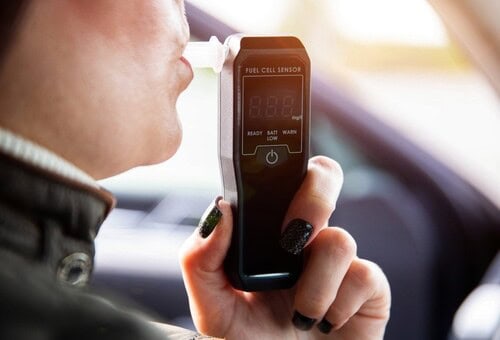
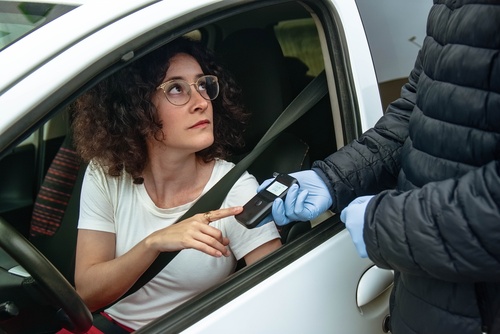
Ohio law makes a crucial distinction between field sobriety tests and chemical tests. Field sobriety tests include the walk-and-turn test, one-leg stand, and horizontal gaze nystagmus test – physical coordination exercises performed at the roadside. Unlike chemical tests (breath, blood, or urine), field sobriety tests are not mandatory under Ohio law. You can legally refuse these roadside physical tests without facing automatic license suspension. However, chemical testing falls under Ohio’s implied consent law, meaning that by driving on Ohio roads, you’ve already consented to submit to chemical testing if lawfully arrested for OVI. Refusing a chemical test after arrest triggers automatic administrative penalties, including license suspension. Understanding this distinction helps you make informed decisions during a traffic stop.
💡 Pro Tip: Politely declining field sobriety tests is within your rights, but always remain respectful and avoid arguing with officers to prevent additional charges like obstruction.
What Happens During and After a Cincinnati OVI Stop
When Cincinnati police pull you over for suspected OVI, the encounter typically follows a predictable pattern. The officer observes your driving behavior and conducts the initial stop, looking for signs of impairment such as bloodshot eyes, slurred speech, or alcohol odor. If the officer suspects impairment, they may ask you to exit the vehicle and perform field sobriety tests. According to Cincinnati Police Department procedures, officers administer these standardized tests following NHTSA protocols. Whether you agree to these tests or refuse, the officer may still arrest you based on other observations. After arrest, you’ll face the decision about chemical testing, which must be conducted according to Ohio Administrative Code Sections 3701.53.01-10 and Ohio Revised Code Sections 4511.19 and 4511.191.
- Initial traffic stop and officer observations of driving behavior
- Request for license, registration, and brief questioning
- Field sobriety test request (which you may refuse)
- Potential arrest based on probable cause
- Chemical test request at the station (refusal triggers penalties)
- Initial appearance in Courthouse Room 121 if released, or Courtroom A at Hamilton County Justice Center if incarcerated
Protecting Your Rights with Help from a Cincinnati Criminal Defense Attorney
Navigating OVI charges requires understanding both your immediate rights during the stop and the long-term legal implications of your choices. While you can refuse field sobriety tests without automatic penalties, prosecutors may use your refusal as evidence in court. A skilled Ohio criminal defense lawyer can evaluate whether proper procedures were followed during your stop and arrest, including whether officers properly administered tests according to NHTSA standards. Law firms like Yonas & Phillabaum understand the nuances of Cincinnati OVI cases, from challenging field sobriety test validity to examining whether chemical testing followed required protocols. Your defense strategy may depend on the specific circumstances of your stop, the officer’s training and adherence to procedures, and any constitutional violations that may have occurred.
💡 Pro Tip: Document everything you remember about your traffic stop as soon as possible, including weather conditions, exact location, and the officer’s statements – these details can be crucial for your defense.
Common Misconceptions About Field Sobriety Tests in Ohio
Many drivers harbor misconceptions about field sobriety tests that can lead to poor decisions during traffic stops. One prevalent myth is that refusing these tests automatically proves guilt or results in immediate arrest. In reality, officers need probable cause for arrest regardless of whether you perform the tests. Another misconception involves test accuracy – even the NHTSA acknowledges that field sobriety tests have inherent limitations and error rates. Weather conditions, physical disabilities, age, weight, and footwear can affect performance. Understanding these limitations helps explain why Criminal Defense lawyers in Cincinnati often challenge field sobriety test results in court.
Physical and Medical Factors That Affect Test Performance
Numerous legitimate factors can cause a sober person to perform poorly on field sobriety tests. Inner ear problems, past injuries, neurological conditions, and anxiety can impact balance and coordination. Officers receive training on these factors through NHTSA curricula, but real-world application often falls short. Additionally, performing tests on uneven pavement, in poor lighting, or alongside busy traffic creates challenges unrelated to impairment. Recognizing these factors helps both drivers and their attorneys build stronger defenses when challenging OVI charges.
💡 Pro Tip: If you have any medical conditions or physical limitations that could affect balance or coordination, politely inform the officer before deciding whether to attempt field sobriety tests.
The Role of Video Evidence in Cincinnati OVI Cases
Dashboard cameras and body-worn cameras have become standard equipment for Cincinnati law enforcement, creating valuable evidence that can either support or contradict an officer’s observations. This video evidence often becomes crucial in criminal defense cases, providing an objective record of field sobriety test performance and the overall interaction. Your Cincinnati criminal defense representation can review this footage to identify inconsistencies between the officer’s report and what actually occurred. Video evidence may reveal improper test administration, environmental factors affecting performance, or constitutional violations during the stop.
How Technology Impacts Your Defense Strategy
Modern OVI defense increasingly relies on technological evidence beyond video recordings. Calibration records for breath testing equipment, GPS data showing driving patterns, and smartphone records can play roles in building your defense. Ohio criminal defense laws require strict adherence to testing protocols and equipment maintenance, creating multiple avenues for challenging evidence. Understanding how technology both helps and potentially harms your case allows for more informed decisions during traffic stops and throughout the legal process.
Frequently Asked Questions
Understanding Your Options During OVI Stops
Cincinnati drivers facing OVI stops often have similar concerns about their rights and the potential consequences of their choices. These questions address the most common uncertainties people face when confronted with field sobriety test requests.
💡 Pro Tip: Having a clear understanding of your rights before you’re in a stressful traffic stop situation helps you make calmer, more informed decisions.
Navigating the Legal Process After an OVI Stop
After an OVI stop, whether you refused tests or participated in them, understanding the next steps in the legal process helps reduce anxiety and allows for better preparation of your defense.
1. Can refusing field sobriety tests be used against me in court by a Criminal attorney Cincinnati Ohio prosecutor?
Yes, prosecutors may mention your refusal during trial, but this alone cannot prove guilt. Your criminal defense attorney can argue that you exercised your legal right to refuse and that many innocent reasons exist for declining these tests, including medical conditions or concerns about test accuracy.
2. What’s the difference between standardized and non-standardized field sobriety tests in Cincinnati DUI criminal defense cases?
Standardized tests (walk-and-turn, one-leg stand, and horizontal gaze nystagmus) follow NHTSA protocols and have established reliability rates. Non-standardized tests like reciting the alphabet or touching your nose lack scientific validation. Courts give less weight to non-standardized tests, making them easier to challenge in your defense.
3. If I refuse field sobriety tests but pass the chemical test, can I still be charged with OVI?
Yes. Ohio law allows OVI charges based on impairment even without exceeding the legal BAC limit. However, passing a chemical test significantly strengthens your defense, and an experienced Ohio Criminal Defense attorney can use this evidence to challenge the prosecution’s case.
4. How soon after an OVI arrest in Cincinnati will I appear in court?
If you’re released after arrest, your initial appearance will typically be scheduled in Courthouse Room 121. If you remain incarcerated, you’ll appear in Courtroom A at the Hamilton County Justice Center, usually within 72 hours. The exact timing depends on arrest circumstances and court schedules.
5. Should I hire Cincinnati Criminal Defense services before my initial court appearance?
Consulting with a criminal defense lawyer before your initial appearance can be highly beneficial. Early representation allows your attorney to begin preserving evidence, potentially negotiate with prosecutors, and ensure your rights are protected from the start of your case.
Work with a Trusted Criminal Defense Lawyer
Facing OVI charges in Cincinnati requires navigating complex legal territories where your decisions at each stage can significantly impact the outcome. Whether you refused field sobriety tests or submitted to them, building an effective defense demands thorough knowledge of both Ohio criminal defense laws and local Hamilton County procedures. From challenging the initial stop’s legality to questioning test administration and accuracy, numerous defense strategies may apply to your situation. The consequences of an OVI conviction extend beyond criminal penalties to affect your driving privileges, employment opportunities, and insurance rates. Working with experienced Cincinnati criminal defense services ensures that every aspect of your case receives careful attention. Your choice of legal representation can make the difference between a conviction and successfully defending your rights. Don’t face these charges alone when skilled legal help is available.
When it comes to navigating the challenges of a Cincinnati traffic stop, having informed support can make all the difference. Partner with Yonas & Phillabaum to ensure your rights are protected. Reach out at 513-427-6100 or contact us for guidance you can count on.