The Split-Second Decision That Could Change Your Life
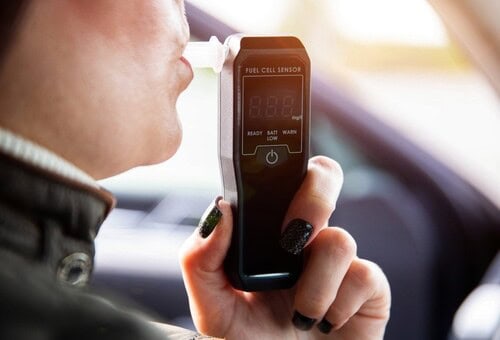
When those red and blue lights flash behind you on I-71 near downtown Cincinnati, your heart races as the officer approaches your window. The moment they ask you to take a breath test, you face a critical decision that could impact your driving privileges for years to come. While the immediate thought might be to refuse the test to avoid evidence against you, this choice carries severe consequences under Ohio’s implied consent laws that many drivers don’t fully understand.
Every day, drivers across Hamilton County face this dilemma without realizing that refusing a breath test doesn’t mean escaping consequences – it often means facing even harsher penalties. The fear of losing your license for an extended period is real, and understanding your rights and options becomes crucial when your ability to drive to work, take your children to school, or maintain your independence hangs in the balance.
💡 Pro Tip: If you’re pulled over for suspected DUI, remember that you can refuse the preliminary breath test (PAS) before arrest without automatic penalties, but refusing the chemical test after arrest triggers Ohio’s implied consent law violations.
When facing a maze of legal challenges around DUI charges, don’t let confusion steer you wrong. Reach out to Yonas & Phillabaum for sound guidance to protect your driving privileges. Call us at 513-427-6100 or contact us today to explore your options.

Understanding Your Rights When Facing a DUI Attorney Case
Ohio’s implied consent laws create a legal framework that every driver automatically agrees to when they receive their license. These laws require drivers arrested for DUI to submit to blood, breath, or urine tests to determine the presence of alcohol or drugs in their system. While you maintain the right to refuse these tests, exercising this right comes with automatic administrative penalties that begin immediately, regardless of whether you’re ultimately convicted of DUI.
The distinction between different types of tests matters significantly for your case. A preliminary breath test conducted before arrest can typically be refused without consequences, unlike the chemical tests required after arrest. Understanding these differences helps drivers make informed decisions during traffic stops. Many people mistakenly believe that refusing all tests protects them from prosecution, but prosecutors can introduce evidence of a driver’s refusal to test and argue that the refusal demonstrates consciousness of guilt, potentially strengthening their case against you.
Your rights extend beyond just the testing decision. You have the right to remain silent, the right to legal representation, and the right to challenge the validity of the stop itself. However, these rights must be balanced against Ohio’s administrative penalties for test refusal, which can result in license suspensions ranging from one year for a first refusal to five years for a fourth or subsequent refusal. Specifically, a first refusal results in a one-year suspension, a second refusal results in a two-year suspension, a third refusal results in a three-year suspension, and a fourth or subsequent refusal results in a five-year suspension. Working with a DUI attorney becomes essential to navigate these competing considerations and protect your driving privileges.
💡 Pro Tip: Document everything you remember about the traffic stop immediately after it happens – the reason given for the stop, exact words used by officers, and any field sobriety tests offered. These details can be crucial for your defense strategy.
The Timeline of Consequences: What Happens After You Refuse
The moment you refuse a chemical test after a DUI arrest, a series of administrative and legal processes begin that can affect your driving privileges for months or even years. Understanding this timeline helps you prepare for what’s ahead and take proactive steps to minimize the impact on your daily life. The administrative license suspension process moves quickly, often before your criminal case even begins.
- Immediate suspension notice: Officers will confiscate your license and issue a temporary driving permit valid for a specific period
- Administrative hearing request: You typically have 30 days to request an administrative hearing to challenge the suspension
- First refusal penalties: One-year suspension in Ohio; a second refusal results in a two-year suspension, a third refusal results in a three-year suspension, and a fourth or subsequent refusal results in a five-year suspension
- Subsequent refusal penalties: Second refusal results in a two-year suspension, third in a three-year suspension, and fourth or subsequent refusals result in a five-year suspension
- Criminal case proceedings: Your refusal can be used as evidence in court, potentially affecting plea negotiations and trial outcomes
- Restricted license eligibility: After serving a portion of your suspension, you may qualify for limited driving privileges with an ignition interlock device
- Long-term consequences: Multiple refusals can lead to extended suspensions that compound over time, potentially resulting in years without full driving privileges
💡 Pro Tip: Request your administrative hearing immediately – missing this deadline means automatically losing your chance to challenge the suspension, regardless of the strength of your case.
Finding Your Path Forward with an Ohio DUI Attorney
While the consequences of refusing a breath test can seem overwhelming, experienced legal representation can help navigate these challenges and potentially minimize the impact on your driving privileges. The DUI implied consent laws and refusing testing create complex legal situations that require strategic planning and thorough understanding of both administrative and criminal proceedings. Attorneys at firms like Yonas & Phillabaum understand the nuances of Ohio DUI law and can identify opportunities to protect your rights while working toward the best possible outcome.
Resolution strategies vary based on individual circumstances, including your driving history, the specific facts of your case, and whether this represents a first or subsequent refusal. Some drivers may benefit from Hamilton County’s License Intervention Program, which assists people cited to court for driver’s license issues by checking BMV records and advising on steps needed to secure a valid driver’s license. However, this program isn’t available to those with current OVI charges, making early legal intervention crucial for exploring all available options.
Taking proactive steps to address license issues can significantly impact your case outcome. If the LIP report shows you’ve taken steps to restore driving privileges, such as paying reinstatement fees, judges will consider this compliance when making decisions. Your DUI attorney can guide you through these requirements and help demonstrate your commitment to resolving the situation responsibly.
💡 Pro Tip: Start gathering documentation of your employment, family obligations, and community involvement early – these factors can support requests for restricted driving privileges during suspension periods.
The Hidden Costs of Test Refusal Beyond License Suspension
Beyond the immediate license suspension, refusing a breath test triggers a cascade of consequences that extend into multiple areas of your life. Insurance companies view test refusals as high-risk behavior, often leading to policy cancellations or premium increases that can triple your current rates. These financial impacts compound over time, as you’ll likely need SR-22 insurance certification for several years following the incident.
Employment and Professional License Implications
Many professions require clean driving records or disclosure of criminal proceedings, making a test refusal particularly problematic for commercial drivers, healthcare workers, teachers, and other licensed professionals. The administrative record of your refusal remains separate from any criminal case outcome, meaning even if DUI charges are dismissed, the refusal itself can still affect employment opportunities. Some employers conduct periodic driving record checks, and a refusal can trigger disciplinary actions or termination, especially in positions involving driving or high security clearance.
💡 Pro Tip: Review your employment contract and professional licensing requirements immediately – some have specific reporting deadlines for DUI-related incidents that, if missed, can result in additional penalties.
Comparing Ohio’s Penalties to Neighboring States
Ohio’s approach to breath test refusals falls within the typical range of penalties nationwide, but understanding how our state compares helps illustrate why the "5 years" concern arises. While a first refusal in Ohio typically results in a one-year administrative suspension, multiple refusals or refusals combined with prior DUI convictions can lead to dramatically extended suspension periods. Some drivers face cumulative suspensions from both the refusal and any subsequent conviction, creating scenarios where driving privileges remain suspended for multiple years.
When Refusals Become Criminal Charges
In certain circumstances, the refusal itself can escalate from an administrative violation to a criminal charge. For instance, in some jurisdictions, a breath test refusal by a driver with a prior refusal violation can be charged as a misdemeanor carrying a maximum fine of $1,000 and up to one year in jail. This criminalization of refusals represents a growing trend as states seek to discourage drivers from avoiding chemical testing. Understanding when and how refusals cross this threshold requires careful analysis of your specific situation and history.
💡 Pro Tip: If you have any prior DUI-related incidents, inform your attorney immediately – prior refusals or convictions dramatically change the legal landscape and available defense strategies.
Restricted Licenses and Getting Back on the Road
Even after a test refusal, options may exist for obtaining limited driving privileges during your suspension period. Ohio law provides for restricted licenses in certain circumstances, though the requirements are strict and often include installation of an ignition interlock device (IID), enrollment in substance abuse courses, and participation in supervision programs. Working with a Cincinnati DUI attorney helps navigate these requirements and present the strongest possible case for restricted privileges.
The License Intervention Program Advantage
For eligible individuals, Hamilton County’s License Intervention Program offers a unique opportunity to address license issues proactively. When a judge refers someone to LIP, officers check BMV records and provide specific guidance on steps needed to restore driving privileges. The program gives participants a reasonable timeframe to complete requirements, after which a report goes to the prosecuting attorney. This structured approach can demonstrate good faith efforts to resolve license issues.
💡 Pro Tip: If eligible for LIP, complete all recommended steps before your court date – judges specifically consider this compliance when making decisions about your case.
Frequently Asked Questions
Common Concerns About Breath Test Refusals
Understanding the complexities of DUI implied consent laws and refusing testing raises numerous questions for drivers facing these decisions. These answers address the most pressing concerns our clients express when dealing with breath test refusals and their consequences.
💡 Pro Tip: Write down all your questions before meeting with an attorney – the stress of the situation often makes it easy to forget important concerns during consultations.
Next Steps After a Refusal
Taking immediate action after refusing a breath test can significantly impact the outcome of both your administrative and criminal cases. Understanding the timeline and requirements helps you make informed decisions about your defense strategy.
💡 Pro Tip: Calendar all important deadlines immediately, including administrative hearing requests, court dates, and license reinstatement eligibility – missing any deadline can have permanent consequences.
1. Can I really lose my license for 5 years for refusing a breath test in Cincinnati?
While a first-time refusal typically results in a one-year suspension, multiple refusals or refusals combined with prior DUI convictions can lead to extended suspensions. The "5 years" concern often arises from cumulative penalties – for example, repeated violations or refusals with prior convictions can stack suspensions. Additionally, some drivers face separate suspensions from both the refusal and any criminal conviction. A Cincinnati DUI attorney can analyze your specific situation to determine actual suspension risks.
2. What’s the difference between refusing a roadside breath test and refusing at the station?
The preliminary breath test (PAS) conducted during a traffic stop before arrest can typically be refused without automatic penalties. However, once you’re arrested for DUI, Ohio’s implied consent laws require you to submit to chemical testing. Refusing the post-arrest test triggers immediate license suspension and can be used as evidence of guilt in court. This distinction is crucial for making informed decisions during a DUI stop.
3. Will a Cincinnati criminal defense attorney help if I’ve already refused the test?
Yes, experienced attorneys can still help even after a refusal. They can challenge the validity of the traffic stop, question whether proper procedures were followed, negotiate with prosecutors, and advocate for restricted driving privileges. They can also help you navigate programs like Hamilton County’s License Intervention Program if eligible, and ensure you take all necessary steps to minimize the impact on your driving privileges.
4. How do Ohio DUI laws treat repeat refusals differently?
Subsequent refusals carry increasingly severe penalties: a first refusal results in a mandatory one-year suspension, a second refusal results in a two-year suspension, a third refusal results in a three-year suspension, and a fourth or subsequent refusal results in a five-year suspension. Some repeat refusals can even be charged as separate criminal offenses, carrying potential jail time and fines. The cumulative effect of multiple refusals can indeed result in years without driving privileges.
5. What are my options for driving to work if my license is suspended for refusing?
Ohio law provides for restricted licenses in certain cases, allowing driving for work, school, medical appointments, and court-ordered programs. Requirements typically include installing an ignition interlock device, maintaining SR-22 insurance, and completing substance abuse assessments. A Hamilton County DUI lawyer can petition the court for these privileges and help demonstrate your need for limited driving rights.
Work with a Trusted DUI Lawyer
Facing the consequences of a breath test refusal requires immediate action and knowledgeable legal guidance. The interplay between administrative penalties and criminal charges creates a complex situation where every decision matters. Understanding your rights, available defenses, and potential outcomes helps you make informed choices about your future. Whether exploring eligibility for intervention programs, challenging the suspension, or negotiating for restricted privileges, having experienced legal representation makes a significant difference in protecting your driving privileges and minimizing long-term consequences.
This is not legal advice; this is a legal advertisement.
Steer clear of confusion and legal hiccups by getting sound advice from Yonas & Phillabaum. Let us help you navigate the tricky waters of DUI charges. Ring us at 513-427-6100 or contact us today to find your best path forward.