Ohio’s Evolving Approach to Drug-Impaired Driving Detection
If you’ve been pulled over in Cincinnati recently and wondered whether police can now test for marijuana or other drugs using a mouth swab, you’re not alone in your concerns. Ohio has been exploring oral-fluid testing as a tool to combat drug-impaired driving, following a nationwide trend where drug presence among fatally injured drivers with known test results rose from 28% in 2006 to 44% in 2016. With the prevalence of drug-impaired driving increasing—THC was found more frequently than alcohol among seriously or fatally injured drivers during recent studies (25.1% versus 23.1%, according to a 2022 NHTSA study of 7,279 seriously or fatally injured roadway users)—understanding your rights during traffic stops has never been more critical.
???? Pro Tip: Always remain calm and polite during any traffic stop, but remember you have the right to remain silent beyond providing basic identification information.
Don’t get lost navigating the complexities of Ohio’s DUI laws—let the experienced team at Yonas & Phillabaum guide you through every step. Reach out today by calling 513-427-6100 or contact us online for a consultation that puts your rights front and center.
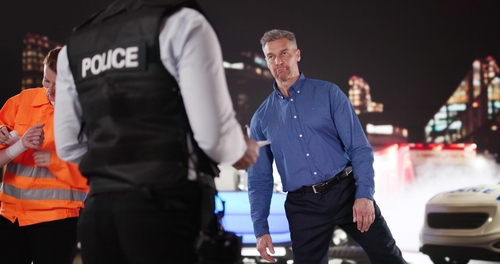
Understanding Your Rights When Facing DUI Testing in Ohio
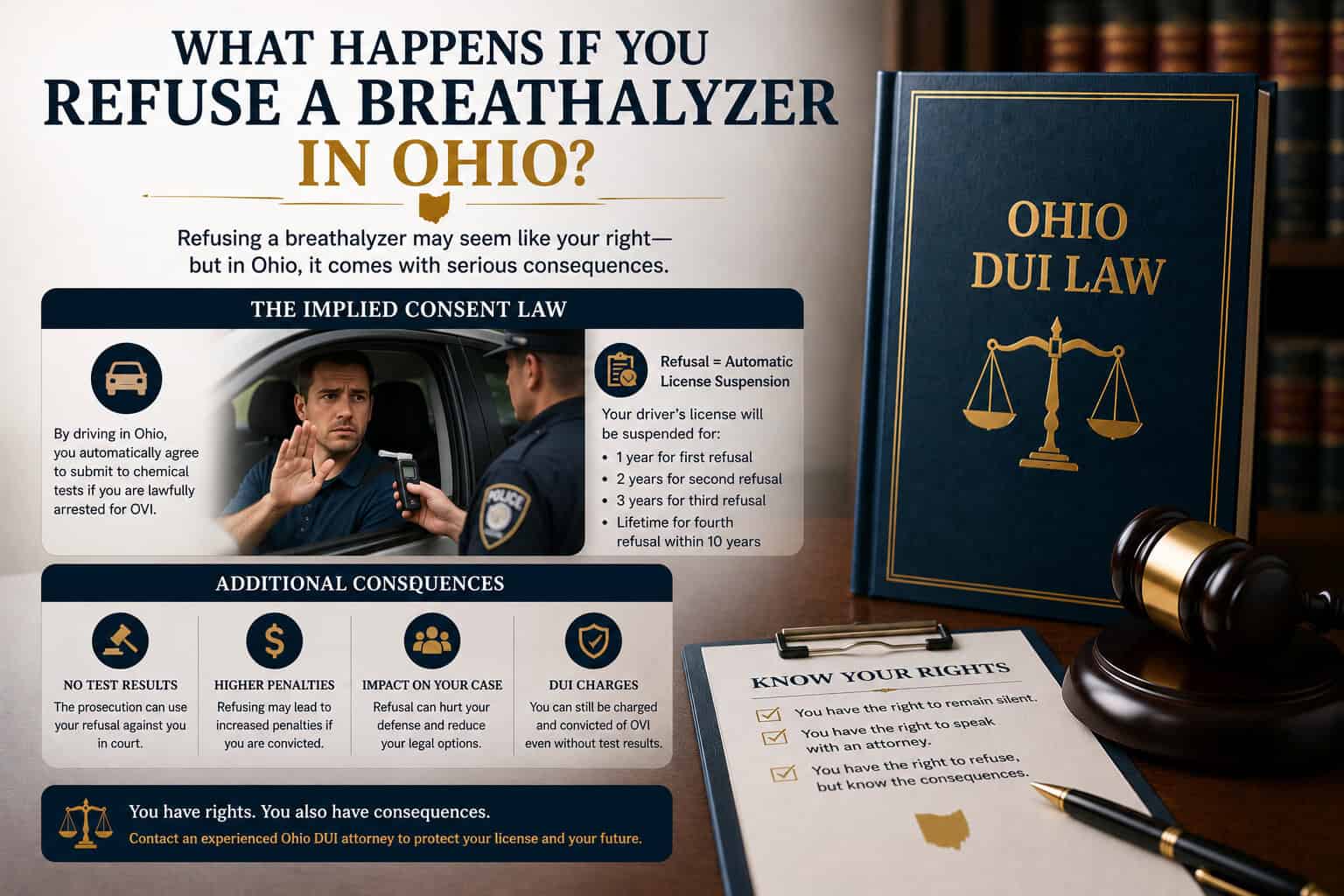
Ohio operates under implied consent laws, meaning that by obtaining a driver’s license, you’ve already agreed to submit to chemical testing if arrested for suspected impaired driving. However, the type of testing and your rights vary significantly. While all 50 states have implied consent laws requiring motorists arrested or detained on suspicion of drunk driving to consent to blood alcohol concentration testing, the introduction of oral-fluid testing adds new complexity. A qualified DUI attorney can help you understand that while breath tests for alcohol are well-established, oral-fluid tests for drugs operate differently—they provide only preliminary results that require laboratory confirmation for use as evidence in court.
The U.S. Supreme Court has established important protections regarding DUI testing. In 2016, the Court ruled that laws making it a crime to refuse a blood test after a DUI arrest are unconstitutional, though refusing a breath test can still be criminalized. Officers generally need a warrant to require a blood test if you don’t consent, except in specific circumstances such as when a driver is unconscious. Understanding these distinctions is crucial, and a knowledgeable DUI attorney can explain how these federal protections apply to new testing methods like oral-fluid screening.
???? Pro Tip: Document everything about your traffic stop, including the officer’s stated reason for pulling you over, any tests requested, and whether you were read your rights—this information can be invaluable for your defense.
The Evolution of Drug Testing in Ohio DUI Cases
The landscape of impaired driving enforcement has shifted dramatically over the past decade, with traditional alcohol-focused methods expanding to address the reality that 12.6 million Americans reported driving after using marijuana or other illicit drugs in 2018. Ohio has been watching as other states implement oral-fluid testing programs, learning from their experiences to develop effective policies.
- 2006-2016: Drug presence among fatally injured drivers nationwide increased from 28% in 2006 to 44% in 2016, prompting states to seek new detection methods beyond traditional breath and blood tests
- 2021: Approximately 24 states had statutes authorizing oral-fluid specimen use, with Alabama, Indiana, and Michigan operating permanent or active roadside screening programs
- 2021-2024: States began pilot programs to evaluate oral-fluid testing devices, which can detect drugs within 5-48 hours after use depending on the substance and dosage
- 2025: Ohio lawmakers continue evaluating oral-fluid testing implementation, considering varying accuracy rates depending on the device and drug type—some devices achieving 80–97% accuracy for certain drugs—while THC detection sensitivity has been reported between about 29% and 52% in many studies (though some newer devices have reported higher sensitivity, up to 92%)
???? Pro Tip: If you’re taking any prescription medications, keep documentation in your vehicle—legitimate medical use can be a defense, but you’ll need proper documentation to support your case.
Navigating Ohio’s Current DUI Testing Landscape with a Skilled DUI Attorney
As of 2025, Ohio continues to rely primarily on traditional blood and breath testing for DUI cases, though the state has been actively studying oral-fluid testing implementation. The technology offers law enforcement a noninvasive method that provides results in under 15 minutes, making it attractive for roadside use. However, these screening devices produce only presumptive results that require confirmatory laboratory testing using chromatographic and mass spectrometric methods to meet forensic admissibility standards. If you’re facing DUI charges in Cincinnati, whether involving traditional testing methods or newer technologies, the experienced team at Yonas & Phillabaum understands the evolving landscape of impaired driving laws and can help protect your rights throughout the legal process.
???? Pro Tip: Never attempt to interpret test results on your own—even preliminary positive results from screening devices can be challenged, as they’re known to produce erroneous results that require laboratory confirmation.
The Science Behind Oral-Fluid Testing and Its Legal Implications
Understanding how oral-fluid testing works can be crucial for anyone facing drug-impaired driving charges. Unlike breath tests that measure alcohol concentration, oral-fluid tests detect the presence of drug classes through lateral-flow technology similar to home pregnancy tests. These devices can identify substances like THC, cocaine, methamphetamines, and opioids, but their accuracy varies significantly by drug type. For instance, while some devices show high accuracy for certain drugs (80–97%), THC detection—the most common drug found in impaired driving cases—has shown much lower sensitivity in many studies (often between 29% and 52%), though some newer devices report higher sensitivity. A knowledgeable DUI attorney can use these scientific limitations to challenge test results in court.
Critical Factors Affecting Test Reliability
Several factors can impact oral-fluid test accuracy, creating opportunities for legal challenges. The detection window of 5-48 hours means someone could test positive for marijuana use from days earlier, long after any impairment has passed. Additionally, factors like recent food consumption, mouthwash use, or dental work can potentially affect results. Working with an experienced DUI attorney who understands these scientific nuances can make the difference between conviction and acquittal, especially as courts grapple with admitting this newer technology as evidence.
???? Pro Tip: If subjected to oral-fluid testing, note the exact time of the test and when you last consumed any substances, foods, or beverages—timing can be critical in challenging the relevance of positive results to actual impairment.
Protecting Your Rights During Traffic Stops in Hamilton County
Whether you’re driving through downtown Cincinnati or along I-75, understanding your rights during traffic stops remains fundamental. Ohio law enforcement must have reasonable suspicion to initiate a traffic stop and probable cause to make an arrest. The potential addition of oral-fluid testing to their toolkit doesn’t change these constitutional requirements. If an officer requests any form of chemical testing, you should know that refusing can result in immediate license suspension under implied consent laws, but criminal penalties vary depending on the test type.
Strategic Considerations When Confronted with DUI Testing
The introduction of rapid oral-fluid screening creates new decision points during traffic stops. Unlike breath tests that measure current impairment, oral-fluid tests can detect past drug use within a broader window. This distinction becomes crucial when considering whether to submit to testing. An experienced Cincinnati DUI lawyer can advise that while refusal carries administrative penalties, the consequences might be less severe than providing evidence of drug presence from legitimate use days earlier. Each situation requires careful evaluation of the specific circumstances, your history, and the potential outcomes.
???? Pro Tip: Keep your attorney’s contact information easily accessible—if arrested, invoke your right to counsel immediately and avoid discussing your case until your lawyer arrives.
Frequently Asked Questions
Common Concerns About Ohio’s DUI Testing Methods
As DUI enforcement technology evolves, Cincinnati residents have many questions about their rights and the legal implications of new testing methods. Understanding these issues before you need the information can help you make informed decisions if stopped by law enforcement.
???? Pro Tip: Save this article or bookmark it on your phone—having quick access to this information during a stressful traffic stop can help you remember your rights.
Next Steps After DUI Testing
If you’ve been subjected to any form of DUI testing in Ohio, whether traditional or using newer methods, understanding the legal process ahead is crucial for protecting your rights and building an effective defense strategy.
???? Pro Tip: Start documenting your case immediately—write down everything you remember about the stop, testing procedures, and any statements made by officers while the details are fresh.
1. Can police in Cincinnati force me to take an oral-fluid test for drugs during a traffic stop?
As of 2025, Ohio has not fully implemented mandatory oral-fluid testing for traffic stops. However, under implied consent laws, refusing any chemical test after arrest can result in license suspension. If officers suspect drug impairment, they may request various tests, but the legal framework differs from alcohol testing. Consult with a Cincinnati DUI attorney immediately if faced with this situation.
2. How accurate are oral-fluid tests compared to blood tests for detecting drug impairment?
Oral-fluid screening devices show varying accuracy rates depending on the device and drug type, with some devices achieving 80–97% accuracy for certain drugs. THC detection remains particularly challenging, with sensitivity rates ranging from about 29% to 52% in many studies, though some newer devices show improved performance (in some cases reported as high as 92%). These devices provide only preliminary results requiring laboratory confirmation for court use. Blood tests remain more accurate but require warrants in most cases. Understanding these differences is crucial for mounting an effective defense.
3. What’s the difference between Ohio OVI and DUI charges if oral-fluid testing is involved?
In Ohio, OVI (Operating a Vehicle Impaired) is the official term for what many call DUI. Whether traditional or oral-fluid testing is used, the charge remains OVI. The key difference lies in how the evidence is collected and presented, not in the charge itself. Ohio DUI laws in 2025 treat impairment from drugs and alcohol similarly in terms of penalties.
4. How long do drugs remain detectable in oral-fluid tests, and can I be charged for past use?
Drugs can be detected in oral fluid for 5-48 hours after use, depending on the substance, dose, and frequency of use. This creates a significant legal issue—you could test positive without being impaired at the time of driving. An experienced Cincinnati DUI defense lawyer can challenge whether detected drug presence actually indicates impairment during driving.
5. Should I hire a DUI lawyer in Cincinnati if I’m facing charges involving new testing methods?
Absolutely. The evolving landscape of DUI testing, especially with oral-fluid technology, requires up-to-date legal knowledge. An experienced Ohio DUI attorney understands both traditional defenses and emerging challenges to newer testing methods. They can identify procedural errors, challenge test accuracy, and navigate the complex interplay between state and federal testing requirements.
Work with a Trusted DUI Lawyer
Facing DUI charges in Ohio requires immediate action to protect your rights and driving privileges. Whether your case involves traditional testing methods or newer technologies like oral-fluid screening, the complexities of modern DUI law demand experienced legal representation. The evolving nature of drug detection technology and its implementation across Ohio means that defenses that worked yesterday might not apply tomorrow. Don’t navigate these challenging waters alone—seek guidance from attorneys who stay current with the latest developments in DUI law and testing procedures. Your future, including your driving privileges, employment opportunities, and freedom, depends on making informed decisions from the moment of your traffic stop through the resolution of your case.
If you’re finding yourself tangled in the intricate web of Ohio’s DUI laws, don’t let uncertainty steer you off course. Yonas & Phillabaum is here to navigate the tricky waters with you. Reach out today at 513-427-6100 or contact us online to anchor your rights firmly and confidently.