Understanding Your Rights When Facing Field Sobriety Tests in Cincinnati
If you’ve been pulled over for suspected DUI in Cincinnati and asked to perform field sobriety tests, you’re likely wondering whether these tests can be challenged. The reality is that standardized field sobriety tests (SFSTs) are not infallible; most validation studies show they can incorrectly classify sober individuals as impaired in roughly 18–26% of cases, though some individual studies have reported higher rates (as high as the mid-40s percent in specific samples). While these tests follow protocols established by the National Highway Traffic Safety Administration (NHTSA), their administration and interpretation leave room for error, creating opportunities for legal challenges. Understanding how these tests work, their limitations, and your rights under Ohio law can significantly impact your case outcome. Let’s explore the science behind field sobriety tests and legal strategies to challenge them in Cincinnati courts.
???? Pro Tip: Document everything you remember about the traffic stop immediately, weather conditions, road surface, physical condition, and exact officer instructions can be crucial for challenging test results.
Don’t risk going it alone when faced with field sobriety test challenges! Reach out to Yonas & Phillabaum for the legal support you need to navigate Ohio’s DUI laws. Call us at 513-427-6100 or contact us to protect your rights and explore your options today.
Your Legal Rights During DUI Stops and Chemical Testing in Ohio
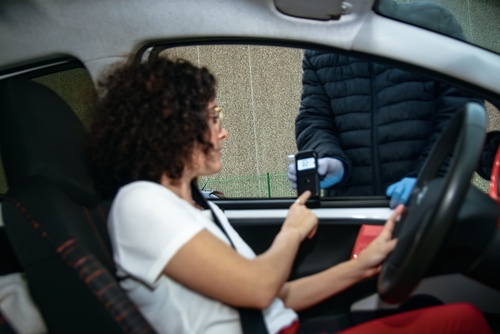
Under Ohio Revised Code §4511.19, you have specific rights protecting you during DUI investigations in Cincinnati. Critical protections include your right to obtain an independent chemical test at your own expense and access to all test results for you or your DUI attorney. These procedural safeguards significantly impact defense strategies. Field sobriety tests establish probable cause for arrest but are subjective assessments influenced by numerous factors beyond alcohol impairment. Unlike chemical tests measuring specific blood alcohol concentrations, field sobriety tests rely on officer interpretation of your performance, making them inherently more challengeable in court.
???? Pro Tip: Always request copies of all test results immediately and consider obtaining an independent chemical test, this creates additional evidence your Cincinnati DUI defense attorney can use to challenge the prosecution’s case.
The DUI Investigation Process: From Traffic Stop to Court
Understanding the DUI investigation timeline helps you recognize critical moments where your rights apply. In Cincinnati, the process begins with a traffic stop based on observed driving behavior or violations. Officers then look for impairment signs and may request field sobriety tests. If arrested, chemical testing follows, but Ohio law requires samples be collected within three hours of the alleged offense for admissibility. This three-hour rule creates a crucial evidence window. Officers must follow specific protocols throughout, and any deviation provides grounds for challenging evidence.
- Initial traffic stop based on reasonable suspicion or observed violation
- Officer observation period looking for signs of impairment
- Administration of standardized field sobriety tests following NHTSA protocols
- Arrest decision based on totality of observations
- Chemical testing within the three-hour statutory window
- Booking and release procedures
- Court proceedings where all evidence can be challenged
Building a Strong Defense Against Field Sobriety Test Results
Challenging field sobriety tests requires understanding their scientific limitations and procedural requirements. Research shows false positive rates vary; most validation studies report rates around 18–26%, though some studies have reported higher rates in certain samples. This scientific evidence provides powerful defense ammunition. A skilled Ohio DUI attorney can examine whether tests were administered according to NHTSA’s standardized protocols; deviations may affect the evidentiary weight of results and provide grounds for challenge depending on the extent of noncompliance and applicable legal standards. Yonas & Phillabaum has extensive experience challenging field sobriety test evidence in Cincinnati courts. The firm scrutinizes every testing aspect, from officer training records to environmental conditions, building comprehensive defenses that protect clients’ rights.
???? Pro Tip: Request the officer’s training records and SFST certification. Officers are expected to follow 2023 NHTSA protocols in substantial compliance, and significant deviations from standardized procedures can affect the evidentiary weight and credibility of test results; under Ohio law, the prosecution must prove substantial compliance by clear and convincing evidence.
The Science Behind Field Sobriety Test Accuracy and Limitations
The standardized field sobriety test battery includes three components: the Horizontal Gaze Nystagmus (HGN) test, Walk-and-Turn test, and One-Leg Stand test. While NHTSA validation studies claim these tests discriminate between blood alcohol concentrations above and below 0.08%, the reality is more complex. The HGN test looks for involuntary eye movements indicating impairment, but numerous medical conditions, medications, and fatigue can cause similar movements. The physical tests are particularly susceptible to factors unrelated to impairment, such as age, weight, physical disabilities, footwear, and road conditions.
Environmental and Physical Factors Affecting Test Performance
Cincinnati’s weather and urban environment create additional testing challenges. Uneven pavement, poor lighting, traffic noise, and weather conditions can all impact performance. Officers should account for these factors but often proceed under less-than-ideal conditions. Additionally, anxiety and nervousness, natural responses to police encounters, significantly affect balance and coordination. These environmental and psychological factors provide legitimate explanations for poor test performance unrelated to impairment. Documenting these conditions becomes crucial for mounting an effective defense.
???? Pro Tip: Photograph the exact location where you performed field sobriety tests as soon as possible, documenting uneven surfaces, poor lighting, or nearby traffic can support challenges to test validity.
Chemical Testing vs. Field Sobriety Tests: Understanding the Differences
While field sobriety tests rely on subjective observations, chemical tests measure specific substance concentrations in blood, breath, urine, or oral fluid. In Ohio, certain concentration levels trigger per se violations, for example, a blood alcohol concentration of 0.08% or higher for adults. However, research reveals important limitations even for chemical testing, particularly with marijuana-related DUI cases. Studies found no reliable relationship between THC concentrations in blood, oral fluid, or breath and actual driving impairment. This finding is particularly relevant in Cincinnati, where courts must evaluate impairment beyond simple numerical thresholds.
Combining Test Results for More Accurate Assessment
Emerging research suggests combining different evidence types can improve impairment detection accuracy. One study found that combining oral fluid THC testing with positive field sobriety test findings reduced false positives in control groups; however, field sobriety tests alone were shown in that study to incorrectly classify nearly half of placebo participants as impaired. This recognizes that neither field sobriety tests nor chemical tests alone provide complete pictures of impairment. For Cincinnati DUI cases, defense attorneys can argue that single forms of evidence, whether FSTs or chemical tests, shouldn’t be considered conclusive proof of impairment. The trend toward requiring multiple forms of corroborating evidence strengthens the position that field sobriety tests alone are insufficient for conviction.
Frequently Asked Questions
Common Concerns About Field Sobriety Tests in Ohio
Many Cincinnati residents facing DUI charges have questions about field sobriety tests and their rights. Understanding these tests and the legal process helps you make informed decisions about your defense.
???? Pro Tip: Write down questions before meeting with a Cincinnati Ohio DUI lawyer, preparing helps ensure you get all the information you need during your consultation.
Understanding Your Options and Next Steps
Knowing what to expect in the legal process and understanding your options helps reduce anxiety and allows active participation in your defense strategy.
1. Can I refuse to take field sobriety tests in Cincinnati, Ohio?
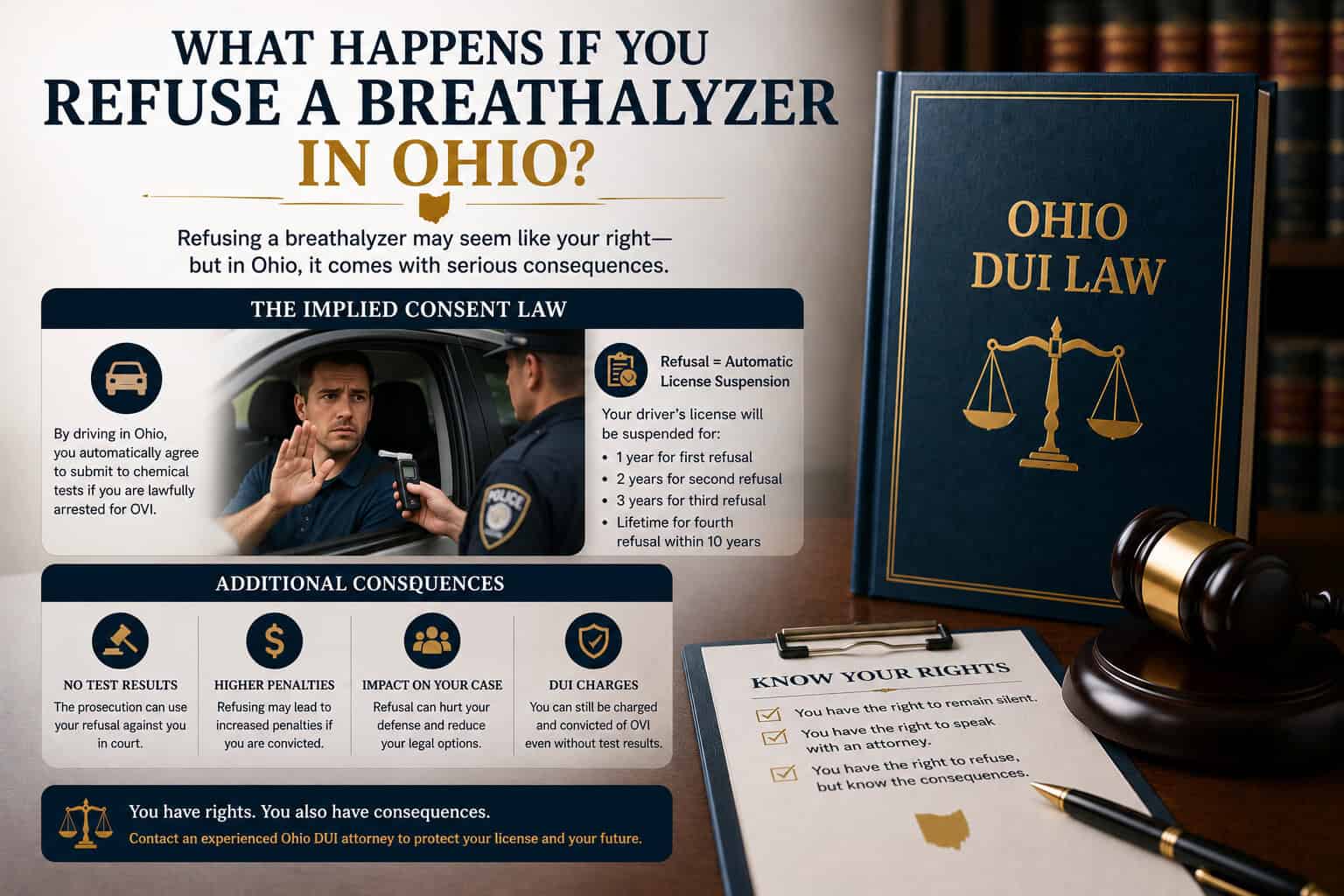
Yes, you can refuse field sobriety tests in Ohio as they are voluntary. Unlike chemical tests, there’s no automatic license suspension for refusing FSTs. However, officers may still arrest you based on other observations, and prosecutors might argue refusal indicates consciousness of guilt. An experienced Ohio field sobriety test attorney can help you understand how refusal might impact your specific case.
2. What medical conditions can affect field sobriety test performance?
Numerous medical conditions can impact FST performance, including inner ear disorders, back problems, knee injuries, neurological conditions, diabetes, and anxiety disorders. Medications for these conditions also affect balance and coordination. If you have any medical conditions, inform your Cincinnati DUI defense attorney immediately, medical documentation can provide powerful evidence to challenge test results.
3. How accurate are field sobriety tests according to scientific studies?
Recent research shows significant accuracy issues with field sobriety tests. Most validation studies report false positive rates around 18–26%, though some studies have reported higher rates (up to the mid-40s percent in certain samples). While NHTSA claims tests can identify impairment when properly administered, real-world conditions and subjective interpretation create substantial room for error. This scientific evidence is crucial in challenging FST results in court.
4. What happens if the officer didn’t follow proper SFST procedures?
Officers are expected to follow NHTSA’s standardized protocols when administering field sobriety tests. While strict compliance is preferred, slight variations may affect the evidentiary weight of results rather than automatically invalidating them. Under Ohio law, substantial compliance (rather than exact compliance) is the relevant standard, and significant deviations can be grounds to challenge results. Your Ohio DUI defense attorney can obtain the officer’s training records and compare their actions against required 2023 NHTSA standards to identify procedural errors that could lead to reduced evidentiary weight or other challenges to admissibility.
5. How quickly should I contact a DUI attorney after being charged in Cincinnati?
Contact a Cincinnati DUI lawsuit attorney as soon as possible after your arrest. Time-sensitive evidence like surveillance footage, witness memories, and physical conditions at the test location can disappear quickly. Additionally, Ohio’s three-hour rule for chemical testing and other procedural deadlines mean early attorney involvement can identify defense opportunities that might otherwise be lost. Most attorneys offer initial consultations to discuss your case.
Work with a Trusted DUI Lawyer
When facing DUI charges based on field sobriety tests in Cincinnati, knowledgeable legal representation makes a crucial difference. An experienced attorney understands the science behind these tests, specific requirements of Ohio law, and how to identify weaknesses in the prosecution’s case. They can review officer training records, analyze test administration procedures, and present scientific evidence about test limitations. The right legal representation ensures all available defenses are explored, from challenging probable cause for the initial stop to questioning test result validity. With potential consequences including license suspension, fines, and possible jail time, protecting your rights requires an attorney who understands both technical aspects of field sobriety testing and nuances of Ohio DUI law.
Facing a DUI in Cincinnati? Let Yonas & Phillabaum guide you through the complexities with confidence. Dial 513-427-6100 or contact us to safeguard your rights and explore your defense strategy today.
This is not legal advice; this is a legal advertisement.